





In today’s digital world, documents are often shared in PDF format because of their universal compatibility and ability to preserve formatting. However, PDFs are not always easy to edit or extract information from. This is where a PDF to Text Converter becomes essential.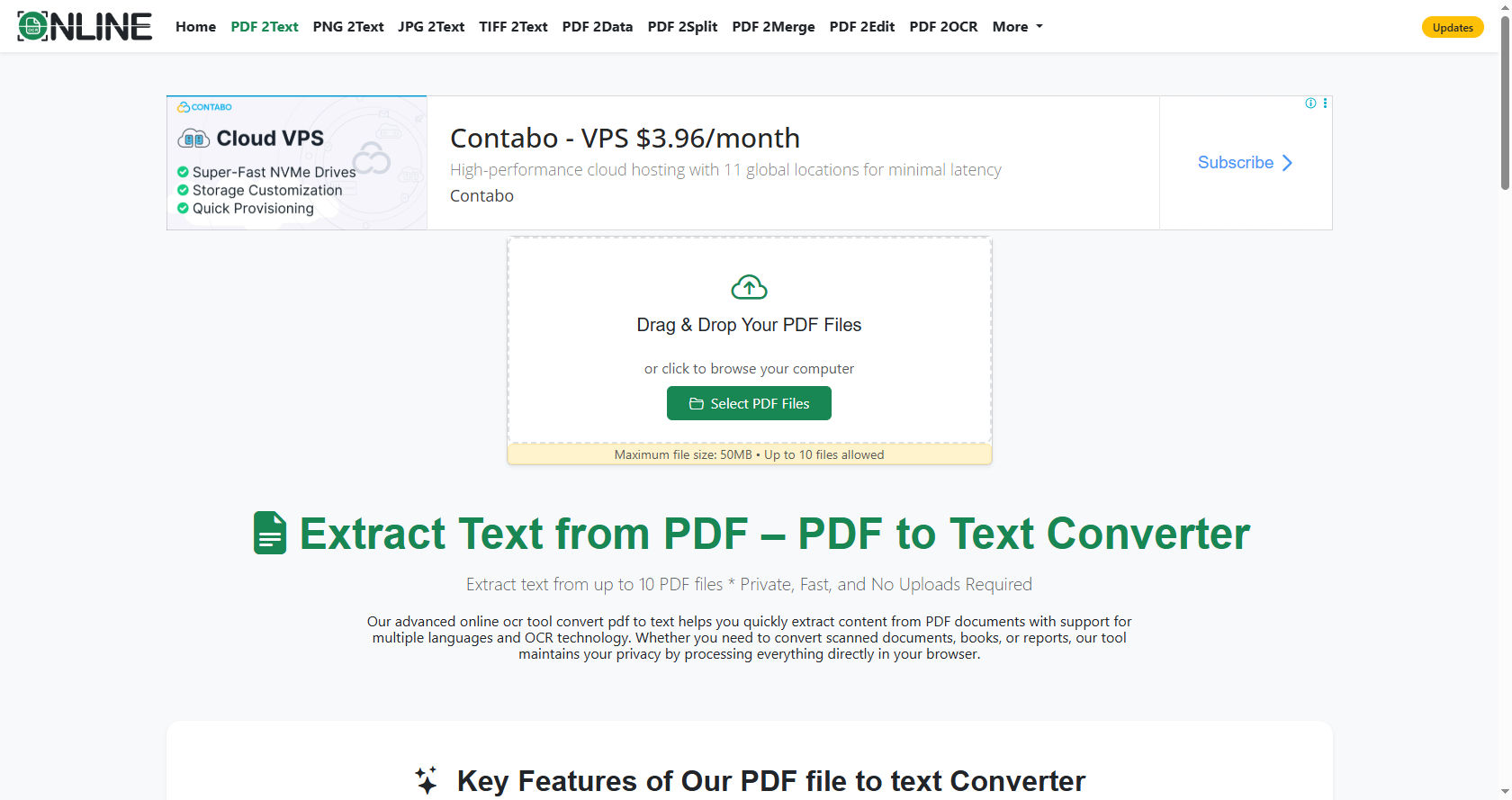
A PDF to Text Converter allows users to turn scanned PDFs or image-based PDFs into editable and searchable text, saving time and effort.
Many students, professionals, and businesses rely on PDFs for reports, eBooks, and official documents. While PDFs are excellent for sharing, they can be restrictive when you need the text for analysis, editing, or repurposing.
A PDF to Text Converter solves this problem by making the text accessible and editable, ensuring that your work is more flexible.
Understanding PDF Files and Their Limitations
PDF, which stands for Portable Document Format, was developed to make documents look the same on every device. While this is convenient for presentation, it creates challenges when you want to extract or modify content.
Most PDFs fall into two categories: native PDFs and scanned PDFs. Native PDFs are created directly from software like Word or Excel. They contain selectable text that can easily be copied. On the other hand, scanned PDFs are essentially images of documents. The text in these PDFs cannot be selected or searched. This is why a PDF to Text Converter is particularly valuable. It uses optical character recognition (OCR) technology to read the text from scanned images and convert it into editable text.
Benefits of Using a PDF to Text Converter
Save Time
Manually typing the content from scanned documents is time-consuming and prone to errors. With a PDF to Text Converter, you can extract the entire text in seconds. This saves valuable time for students, researchers, and business professionals.
Improve Accessibility
Some PDFs are not compatible with screen readers, making it hard for visually impaired users to access the content. Converting a PDF to text makes it easier to read using assistive technology, ensuring inclusivity.
Enable Editing and Collaboration
PDFs are great for sharing, but editing them is difficult. After converting a PDF to text, you can edit, format, and share the content easily. This is particularly useful for collaborative projects where multiple people need to contribute.
Enhance Searchability
Text extracted from a PDF can be easily searched for keywords or phrases. This is especially useful for researchers, students, and office workers who need to find specific information quickly.
Support Multiple Formats
Many PDF to Text Converters allow you to export the extracted text into different formats like Word, Excel, or plain text files. This flexibility helps in using the content for presentations, reports, or web content.
How PDF to Text Converters Work
Optical Character Recognition (OCR)
The heart of a PDF to Text Converter is OCR technology. OCR scans the PDF image, recognizes the shapes of letters and words, and then converts them into editable text. The accuracy of OCR depends on factors like image quality, font type, and layout complexity.
Step-by-Step Conversion Process
-
Upload the PDF: You begin by uploading the PDF file into the converter tool.
-
Select Conversion Settings: Choose the output format, language, and OCR options if available.
-
Start Conversion: The tool processes the PDF using OCR technology.
-
Download Text: After conversion, you can download the editable text file.
Factors Affecting Conversion Accuracy
-
Image Quality: Higher resolution scans produce better results.
-
Font Style: Standard fonts are easier to recognize than decorative ones.
-
Layout Complexity: Simple layouts convert more accurately than documents with multiple columns or graphics.
Choosing the Right PDF to Text Converter
Not all PDF to Text Converters are created equal. Choosing the right tool is important for ensuring accuracy, security, and usability.
Accuracy
The most important factor is the accuracy of the conversion. High-quality converters should recognize text accurately and maintain the formatting of the original document as much as possible.
Speed
Some converters take longer, especially for large PDFs. Choosing a fast and efficient tool can save significant time.
Security
Since PDFs often contain sensitive information, it’s crucial to select a PDF to Text Converter that ensures data privacy. Avoid tools that store your files unnecessarily or require suspicious permissions.
User-Friendly Interface
A simple and intuitive interface makes the conversion process easier, even for beginners. Drag-and-drop features, batch conversion, and preview options are valuable for convenience.
Cost
Many converters are free but may have limitations like file size restrictions or watermarking. Paid versions usually provide better accuracy, unlimited conversions, and additional features.
Common Use Cases of a PDF to Text Converter
Academic Research
Students and researchers often deal with large volumes of PDFs containing articles, reports, or eBooks. Converting these PDFs to text allows them to highlight, annotate, and summarize information efficiently.
Office and Business Use
Businesses often receive invoices, contracts, or reports in PDF format. A PDF to Text Converter allows them to extract essential information quickly for accounting, legal purposes, or reporting.
Content Repurposing
Bloggers, writers, and marketers can use a PDF to Text Converter to repurpose eBooks, guides, or reports into web content, articles, or social media posts.
Data Analysis
For large datasets in scanned reports or tables, converting PDFs to text can help extract information for analysis in Excel or other software.
Accessibility Enhancement
Organizations can make their content accessible to individuals with visual impairments by converting PDFs into readable text for screen readers.
Features to Look For in a PDF to Text Converter
Batch Conversion
If you regularly deal with multiple PDF files, batch conversion saves time by processing several documents simultaneously.
Multi-Language Support
A PDF to Text Converter that supports multiple languages is essential for international users dealing with documents in different languages.
Preserve Formatting
Some converters only extract text but ignore the original layout. Tools that preserve formatting, tables, and columns make the output more usable.
Cloud-Based vs Desktop Software
Cloud-based converters allow you to convert PDFs from anywhere using a web browser, while desktop software can offer more privacy and advanced features.
Integration with Other Tools
Some converters integrate with cloud storage services like Google Drive or Dropbox, making file management seamless.
Step-by-Step Guide to Using a PDF to Text Converter
Step 1: Choose Your Converter
Select a trusted PDF to Text Converter that meets your requirements in terms of accuracy, speed, and features.
Step 2: Upload Your PDF
Most converters allow drag-and-drop or file selection. Upload the scanned or native PDF you want to convert.
Step 3: Select Conversion Options
Choose whether you want plain text, Word, or another format. Enable OCR if your PDF is scanned.
Step 4: Convert the File
Click the convert button. The tool will process the PDF, extract the text, and generate a new editable file.
Step 5: Download and Edit
Download the converted file and review it for any errors. Make necessary edits, save, and use the text as needed.
Tips for Optimizing PDF Conversion
Scan Quality Matters
Ensure that scanned PDFs are clear and high resolution. Poor image quality reduces OCR accuracy.
Check the Language Settings
Set the correct language in the converter to improve text recognition, especially for non-English documents.
Simplify Layouts
If possible, scan single-column documents or reduce unnecessary graphics. This enhances conversion accuracy.
Proofread Converted Text
Even the best converters may make minor mistakes. Always proofread the extracted text to correct errors.
Popular PDF to Text Converters
There are many options available, both free and paid. Some popular tools include online converters, desktop software, and mobile apps. Features vary, so choose based on your needs.
-
Online Converters: Convenient for quick conversions without installation.
-
Desktop Software: Often more secure and feature-rich.
-
Mobile Apps: Useful for on-the-go conversion from smartphones or tablets.
Challenges and Limitations
While PDF to Text Converters are highly useful, they have limitations. Complex layouts with images, tables, or handwritten text may not convert accurately. Additionally, very poor-quality scans or unusual fonts can reduce recognition rates. Understanding these limitations helps set realistic expectations.
Future of PDF to Text Conversion
Advances in OCR technology, AI, and machine learning are continually improving the accuracy of PDF to Text Converters. Future tools may offer near-perfect recognition, real-time conversion, and better integration with productivity apps. This makes the use of PDF to Text Converters even more valuable for academic, business, and personal tasks.
Conclusion
A PDF to Text Converter is an essential tool in today’s digital world. It transforms scanned or image-based PDFs into editable, searchable, and usable text. The benefits are numerous: time savings, improved accessibility, easy editing, and enhanced collaboration. By choosing the right converter and following best practices, users can maximize the efficiency of their document workflows.
Whether for students, researchers, businesses, or content creators, a PDF to Text Converter simplifies work, saves effort, and opens up the potential for repurposing and analyzing text. As technology continues to improve, the future of PDF to text conversion promises even greater accuracy and usability.
For anyone working with PDFs regularly, investing in a reliable PDF to Text Converter is no longer optional—it’s a necessity.


Leave a Reply