



Mint is one of the most refreshing and widely used herbs in Middle Eastern cuisine, especially in many arabic appetizers. From fresh salads to creamy dips and stuffed dishes, mint adds a cooling aroma and bright flavor that balances rich spices and savory ingredients.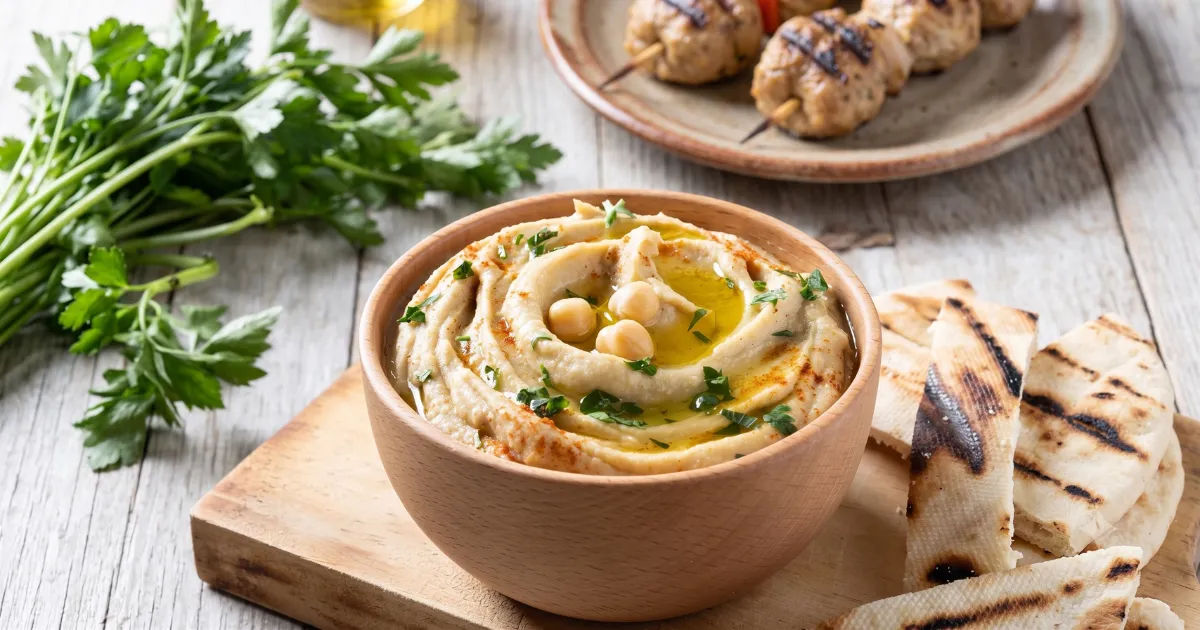
In this guide, we will explore which dishes include this herb, why it is so important, and how it shapes traditional flavor profiles in arabic appetizers.
You will also learn how different regions use mint in creative ways, and how home cooks can use it effectively in everyday meals. Understanding these uses will help you appreciate how deeply mint is connected to arabic appetizers across cultures and kitchens.
The Role of Mint in Middle Eastern Flavor Traditions
Mint is more than just a garnish in Middle Eastern cooking. It is a core herb that appears in many everyday dishes and especially in arabic appetizers. Its cooling effect balances spices like cumin, garlic, and chili, making it a key ingredient in fresh starters.
In many households, mint is used both fresh and dried. Fresh mint is more common in salads and dips, while dried mint is often used in yogurt-based sauces. The versatility of mint is one reason it appears so often in arabic appetizers across different regions.
Another important role of mint is digestion support. Traditional meals often include heavy ingredients like lamb, olive oil, and legumes, so mint helps lighten the overall experience. This balance is one reason arabic appetizers frequently feature mint as a core flavoring herb.
Classic Salads That Use Mint
One of the most famous categories of arabic appetizers that use mint is fresh salads. These salads are light, healthy, and full of herbs.
Tabbouleh
Tabbouleh is perhaps the most iconic example. It is a parsley-based salad that also includes finely chopped mint, tomatoes, onions, bulgur, lemon juice, and olive oil. The mint gives tabbouleh its signature freshness and elevates it from a simple grain salad to a vibrant dish.
Without mint, tabbouleh would lose much of its aromatic complexity. This is why it is considered essential in many arabic appetizers served at gatherings and family meals.
Fattoush
Fattoush is another popular salad that includes mint. It is made with mixed greens, fried or toasted pita bread, cucumbers, tomatoes, radishes, and a tangy sumac dressing. Mint is added fresh to enhance the crispness of the vegetables.
In many households, fattoush is a must-have among arabic appetizers, especially during warm seasons. The mint helps cool down the acidity of the dressing and balances the crunch of the bread.
Together, tabbouleh and fattoush show how deeply mint is rooted in arabic appetizers that focus on freshness and simplicity.
Yogurt-Based Appetizers with Mint
Yogurt plays a major role in Middle Eastern cuisine, and mint is often paired with it to create smooth, refreshing dips. Many arabic appetizers rely on this combination.
Labneh with Mint
Labneh is a thick strained yogurt that is often served with olive oil, herbs, and spices. Fresh mint is frequently mixed into labneh or sprinkled on top before serving. The herb adds brightness and enhances the creamy texture.
This simple dish is one of the most common arabic appetizers served with bread and vegetables. It is easy to prepare and highly nutritious.
Yogurt and Cucumber Dip
Another popular dish is yogurt mixed with cucumber, garlic, and mint. This dip is similar to Mediterranean tzatziki but has its own regional variations. Mint is essential here because it gives the dip its cooling effect.
This dip is often served alongside grilled meats or other arabic appetizers, helping balance stronger flavors with freshness.
In both cases, mint transforms plain yogurt into something flavorful and refreshing, proving its importance in arabic appetizers.
Stuffed Dishes Featuring Mint
Stuffed dishes are a major category in Middle Eastern cuisine, and mint often plays a supporting role in their fillings.
Stuffed Grape Leaves (Warak Enab)
One of the most well-known arabic appetizers is stuffed grape leaves. These are filled with rice, herbs, onions, and sometimes ground meat. Mint is commonly added to the filling mixture to enhance aroma and flavor.
The mint complements parsley and dill, creating a balanced herbal profile. This dish is often served cold or at room temperature, making mint even more noticeable.
Because of its freshness, mint helps lighten the dense rice filling, making warak enab one of the most popular arabic appetizers at festive meals.
Stuffed Vegetables
Stuffed zucchini, eggplant, and peppers also sometimes include mint in their fillings. While not always dominant, mint adds a subtle layer of freshness that improves the overall taste.
These dishes are often part of large platters of arabic appetizers shared during celebrations and family gatherings.
Dips and Spreads with Mint
Dips are essential in Middle Eastern cuisine, and mint is frequently used to enhance their flavor.
Hummus with Mint Garnish
Hummus is one of the most famous arabic appetizers in the world. While traditional hummus does not always include mint in the base, fresh mint leaves are often used as a garnish.
The mint adds a refreshing contrast to the creamy chickpea base, especially when served with olive oil and paprika. Some modern variations even blend mint directly into the hummus.
Baba Ghanoush
Baba ghanoush, a smoky eggplant dip, also benefits from mint. While not always included in the base recipe, mint is often sprinkled on top before serving.
This enhances the smoky flavor and adds freshness, making it a standout among arabic appetizers served with pita bread.
Muhammara
Muhammara, a roasted red pepper and walnut dip, sometimes includes mint for added complexity. The sweetness of peppers and richness of nuts are balanced by mint’s cool aroma.
This combination makes it a unique addition to the variety of arabic appetizers served in Levantine cuisine.
Regional Differences in Using Mint
The use of mint in arabic appetizers varies across regions of the Middle East and North Africa.
In the Levant region (Lebanon, Syria, Jordan, and Palestine), mint is widely used in salads, dips, and stuffed dishes. It is considered a staple herb in everyday cooking.
In the Gulf region, mint is often used more in drinks and yogurt-based dishes, but it still appears in certain arabic appetizers like salads and cold mezze platters.
In North Africa, mint is frequently used in both savory dishes and teas, but it also appears in appetizers such as salads and spreads.
These regional differences show how flexible mint is within arabic appetizers, adapting to local tastes while maintaining its refreshing identity.
How Mint is Used in Preparation
Mint can be used in several forms in arabic appetizers, each affecting the flavor differently.
Fresh mint is the most common form. It is usually finely chopped and mixed into salads or dips. Its strong aroma is best preserved when added just before serving.
Dried mint is used in yogurt sauces and cooked fillings. It has a more concentrated flavor and blends well into warm or soft dishes.
Mint oil or infused oil is less common but sometimes used in modern interpretations of arabic appetizers to add a subtle herbal note.
Garnishing with whole mint leaves is also popular, especially in presentation-focused dishes.
Nutritional and Health Benefits of Mint
Mint is not only flavorful but also healthy, which is another reason it is widely used in arabic appetizers.
It supports digestion and can help reduce bloating after heavy meals. It also contains antioxidants that support overall health.
Mint has natural cooling properties, which makes it especially useful in warm climates where arabic appetizers are often served chilled or fresh.
Its aroma can also stimulate appetite, making meals more enjoyable and balanced.
Tips for Cooking with Mint in Arabic Dishes
Using mint correctly is important for achieving the right flavor in arabic appetizers.
First, always use fresh mint when possible. It provides the best aroma and texture.
Second, avoid overusing mint in cooked dishes, as heat can make it bitter. Instead, add it at the end of preparation.
Third, pair mint with lemon, yogurt, and olive oil for the most authentic flavor combinations found in arabic appetizers.
Finally, chop mint finely to distribute its flavor evenly without overpowering other ingredients.
Conclusion
Mint is one of the most important herbs in Middle Eastern cuisine, especially in arabic appetizers. From fresh salads like tabbouleh and fattoush to creamy dips like labneh and yogurt sauces, mint plays a key role in balancing flavors and enhancing freshness. It is also found in stuffed dishes, dips, and garnishes, showing its wide versatility.
Across different regions, mint continues to be a defining ingredient in arabic appetizers, adapting to local tastes while maintaining its refreshing character. Its health benefits, aromatic qualities, and culinary flexibility make it essential in both traditional and modern cooking.
Whether used fresh, dried, or as a garnish, mint transforms simple ingredients into vibrant and flavorful dishes. This is why it remains a cornerstone of arabic appetizers in homes and restaurants alike.

Leave a Reply