





Pakistani Fashion is known worldwide for its elegance, vibrancy, and intricate artistry. One of the most striking features of Pakistani Fashion is its embroidery designs, which can be explored in detail at nani je.
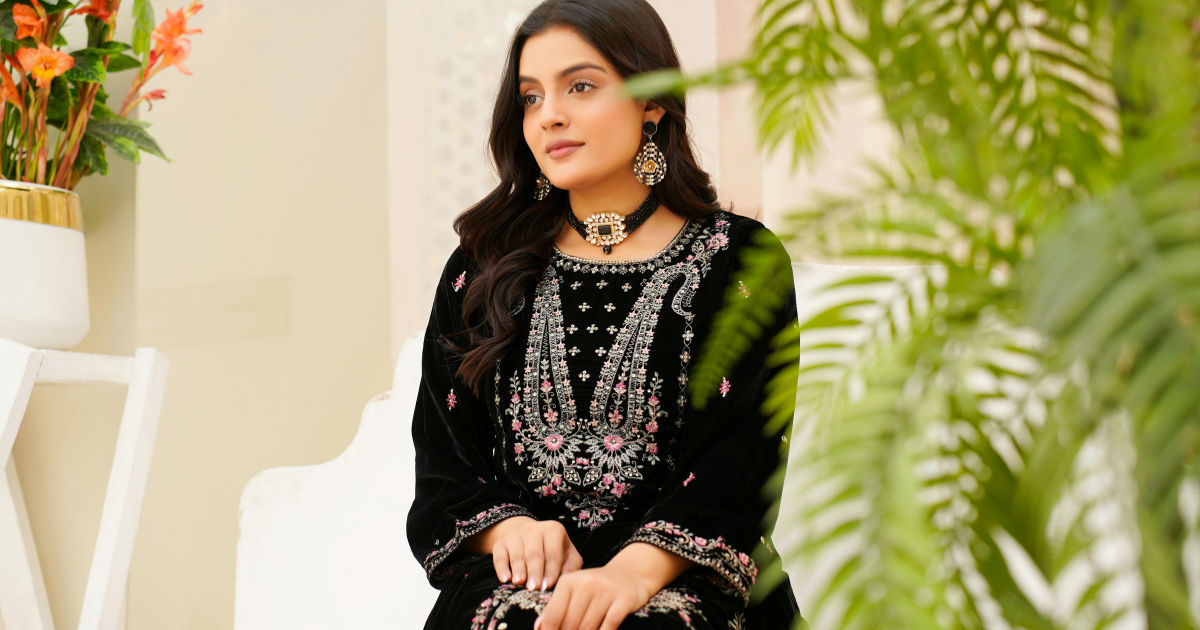
These designs are not just patterns on fabric; they represent centuries of cultural heritage, regional diversity, and skilled craftsmanship. From bridal wear to casual outfits, embroidery adds an element of sophistication that makes Pakistani clothing stand out globally.
In this comprehensive guide, we will explore what makes Pakistani embroidery designs unique, their history, types, techniques, and why they continue to capture the attention of fashion enthusiasts.
The Historical Roots of Pakistani Embroidery
Pakistani embroidery has deep historical roots that date back centuries. Influenced by various civilizations, including the Mughal Empire, Persian culture, and regional traditions, the craft has evolved over time while maintaining its authenticity. Each region in Pakistan has developed its own style, techniques, and patterns that are reflective of its history, climate, and cultural identity.
During the Mughal era, embroidery was considered a symbol of royalty and wealth. The intricate patterns, use of gold and silver threads, and detailed floral motifs reflected the luxurious lifestyle of the elite. Over time, these styles filtered down into everyday wear, adapted by local artisans for casual and festive clothing.
Regional Variations in Pakistani Embroidery
One of the most fascinating aspects of Pakistani embroidery is its regional diversity. Each province and city has developed a unique style, which is recognizable through motifs, color palettes, and techniques.
Sindhi Embroidery
Sindhi embroidery, originating from the Sindh province, is famous for its vibrant colors and mirror work. The designs often include geometric patterns and floral motifs. Sindhi embroidery is commonly seen on shawls, traditional dresses, and decorative fabrics. This style reflects the rich culture and artistic heritage of Sindh.
Balochi Embroidery
Balochi embroidery is characterized by heavy needlework and intricate thread designs. Predominantly done on black or dark-colored fabric, it uses bright colored threads to create striking patterns. The craftsmanship often takes weeks to complete, showcasing the artisan’s dedication and skill. Balochi embroidery is widely used in both formal attire and festive clothing.
Phulkari from Punjab
Phulkari, meaning “flower work,” is a Punjabi embroidery style that uses vibrant silk threads on cotton fabric. Originating in the Punjab region, it was traditionally used in wedding dresses and ceremonial attire. Phulkari patterns often include floral motifs and symmetrical designs, reflecting a connection to nature and rural life.
Kashmiri Embroidery
Kashmiri embroidery, also known as Kashida, is delicate and highly detailed. Typically done on wool, silk, or cotton, the designs include motifs inspired by nature such as flowers, birds, and paisley patterns. Kashmiri embroidery is widely used in shawls, stoles, and high-end Pakistani Fashion collections, prized for its elegance and finesse.
Multani and Truck Art Embroidery
Multani embroidery comes from the Southern Punjab region and is famous for its bright colors and intricate designs. Similarly, truck art embroidery, inspired by Pakistan’s colorful truck culture, has become a modern trend in Pakistani Fashion. Both styles celebrate Pakistan’s vibrant artistic traditions and are often used to create statement pieces.
Techniques That Define Pakistani Embroidery
The uniqueness of Pakistani embroidery also lies in its diverse techniques. Artisans use handwork as the primary method, making each piece one-of-a-kind. Here are some key techniques that define Pakistani embroidery:
Hand Embroidery
Hand embroidery is the most traditional and highly valued form. It involves manually stitching threads into fabric using needles. Techniques such as satin stitch, chain stitch, and cross-stitch are commonly used. The process is time-consuming, but it results in detailed patterns and textures that machine embroidery cannot replicate.
Zardozi Work
Zardozi is a luxurious embroidery technique using metallic threads, beads, and sequins. It has Persian origins but became popular in Pakistan through Mughal influence. Zardozi is often used in bridal wear and formal attire, giving garments a regal and opulent look.
Mirror Work
Mirror work, or shisha embroidery, is a traditional style where small mirrors are stitched onto fabric. This technique originated in Sindh and Gujarat and adds sparkle and dimension to outfits. It is widely used in festive dresses and accessories.
Threadwork and Applique
Threadwork includes using silk or cotton threads to create intricate patterns, while applique involves stitching smaller pieces of fabric onto a base material to form a design. Both techniques allow for creative expression and have been incorporated into modern Pakistani Fashion.
Beadwork and Sequins
Beads and sequins are often used to enhance embroidery, adding a touch of glamour. This is particularly popular in bridal wear, party outfits, and high-fashion collections. The reflective surfaces of beads and sequins catch the light, making the designs visually appealing and luxurious.
Motifs and Symbolism in Pakistani Embroidery
Pakistani embroidery is not just about decoration; it carries deep symbolism and meaning. Many motifs are inspired by nature, religious symbols, and cultural stories.
Floral Motifs
Flowers are the most common motifs in Pakistani embroidery, representing beauty, life, and growth. Roses, lotuses, and vines are frequently stitched in vibrant colors, adding elegance to garments.
Geometric Patterns
Geometric designs are widely used, especially in Sindhi and Balochi embroidery. These patterns often symbolize harmony, balance, and structure in nature.
Paisley Designs
The paisley motif, known locally as “boteh,” is a tear-drop shaped design that has Persian origins. It is widely used in shawls, kurtas, and scarves, representing fertility, life, and eternity.
Cultural and Religious Symbols
Some embroidery patterns incorporate local folklore, spiritual symbols, or motifs representing social traditions. These designs make each piece unique and culturally significant.
Pakistani Embroidery in Modern Fashion
Pakistani Fashion has successfully integrated traditional embroidery into contemporary clothing. Designers use embroidery to elevate casual wear, formal attire, and haute couture collections. Embroidery adds texture, color, and identity to garments, making them stand out in the international fashion market.
Modern Pakistani Fashion combines traditional handwork with contemporary cuts, fabrics, and colors. For instance, embroidered jackets, dresses, and even accessories like handbags and shoes are becoming popular globally. The fusion of heritage and modernity keeps Pakistani embroidery relevant and appealing to younger generations.
Care and Preservation of Embroidered Garments
Embroidered clothing requires special care to maintain its beauty and longevity. Here are some tips for preserving embroidered garments:
-
Hand Wash or Gentle Dry Clean: Avoid machine washing to prevent threads from fraying.
-
Proper Storage: Store garments in breathable fabric bags to avoid moisture and dust.
-
Avoid Direct Sunlight: Prolonged exposure to sunlight can fade colors.
-
Handle with Care: Be cautious while wearing or handling embroidered garments to prevent snagging.
By following these care instructions, one can ensure that the intricate craftsmanship of Pakistani embroidery remains intact for years.
The Global Appeal of Pakistani Embroidery
Pakistani embroidery has gained international recognition for its artistic value and aesthetic appeal. Fashion enthusiasts, celebrities, and designers from across the world appreciate the craftsmanship and uniqueness of these designs. Embroidery not only enhances the visual appeal of garments but also represents the rich cultural heritage of Pakistan.
Global fashion platforms and designers often feature Pakistani embroidery in their collections, bridging the gap between traditional artistry and modern fashion trends. This international exposure has helped preserve and promote the craft while inspiring a new generation of designers and artisans.
Why Pakistani Embroidery Stands Out
Several factors make Pakistani embroidery unique and distinguishable from other forms of embroidery:
-
Cultural Diversity: Each region brings its own style, colors, and motifs.
-
Handcrafted Precision: The skill and dedication of artisans make every piece exceptional.
-
Rich History: Centuries-old techniques and motifs continue to inspire modern fashion.
-
Versatility: Embroidery is adapted for casual, formal, and haute couture clothing.
-
Symbolism: Patterns often carry cultural, spiritual, or natural significance.
This combination of history, culture, and craftsmanship gives Pakistani Fashion its signature identity and global appeal.
Conclusion
Pakistani embroidery is more than just decorative stitching; it is a reflection of Pakistan’s rich cultural heritage, artistic expression, and fashion innovation. Each region, technique, and motif tells a story, making every piece of clothing unique and meaningful. From hand-stitched floral patterns to luxurious Zardozi work, Pakistani embroidery continues to captivate fashion enthusiasts worldwide.
In modern Pakistani Fashion, traditional embroidery blends seamlessly with contemporary styles, proving that heritage and innovation can coexist beautifully. By understanding the history, techniques, and symbolism behind these designs, one can truly appreciate the artistry and craftsmanship involved.
Whether you are a fashion enthusiast, a collector, or simply someone who admires beauty, Pakistani embroidery offers a window into the soul of Pakistani culture and the timeless charm of its Fashion.
Pakistani embroidery is not just an art form; it is a living tradition that celebrates skill, creativity, and identity. The next time you admire a Pakistani outfit, take a closer look at the embroidery—it is a story stitched in threads, vibrant with culture, history, and style.





Leave a Reply