




When it comes to breakfast or a light meal, few dishes capture the heart like methi dosa. Known for its unique fenugreek flavor, methi dosa combines the health benefits of fenugreek leaves with the crispiness of a traditional South Indian dosa.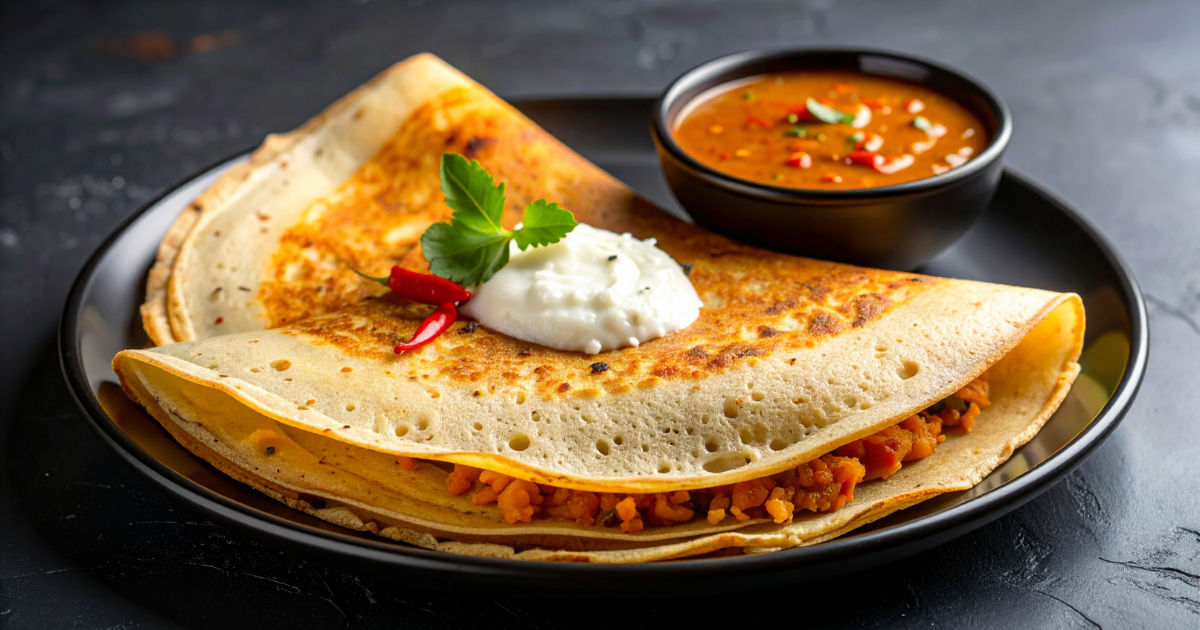
If you are a food lover searching for the top restaurant in Karachi that serves authentic South Indian cuisine, methi dosa is often a signature offering.
This guide explores the culinary, nutritional, and cultural aspects of methi dosa, helping you appreciate why this dish is both delicious and beneficial for health.
What is Methi Dosa?
Methi dosa is a variation of the traditional Indian dosa, infused with fresh fenugreek leaves, known as methi in Hindi. The dosa batter is typically made from rice and urad dal, which is then fermented to create a soft, tangy base. Adding methi not only enhances the flavor but also increases the nutritional value. The result is a thin, golden-brown pancake that is crisp on the edges and soft in the center, with a subtle bitterness from the fenugreek leaves.
This dosa is especially popular among health-conscious eaters because fenugreek leaves are packed with essential nutrients. Many people seeking the top restaurant in Karachi often mention methi dosa as a must-try dish because it combines taste with wellness in every bite.
Nutritional Benefits of Fenugreek in Dosa
Fenugreek leaves are a powerhouse of nutrients. They are rich in vitamins A, C, and K, as well as minerals like calcium, iron, and magnesium. Incorporating methi into dosa provides several health benefits:
-
Supports Digestion: Fenugreek contains soluble fiber that aids digestion and prevents constipation.
-
Regulates Blood Sugar: Methi is known to improve insulin sensitivity, making it beneficial for people with diabetes.
-
Boosts Immunity: Rich in antioxidants, fenugreek leaves help protect the body from infections and chronic diseases.
-
Promotes Heart Health: The leaves may help lower cholesterol levels, reducing the risk of cardiovascular diseases.
-
Aids Weight Management: Low in calories and high in fiber, methi dosa can keep you full longer, supporting healthy weight management.
Regular consumption of methi dosa can be a tasty way to integrate these benefits into your daily diet.
Ingredients for Making Methi Dosa
To make methi dosa, you need a few simple ingredients, many of which are common in Indian kitchens:
-
1 cup rice
-
1/4 cup urad dal (split black gram)
-
1/4 teaspoon fenugreek seeds
-
1 cup fresh methi leaves (fenugreek leaves), washed and chopped
-
Salt to taste
-
Oil or ghee for cooking
Optional ingredients for added flavor:
-
Green chilies, finely chopped
-
Ginger, grated
-
Onion, finely chopped
-
Carrot, grated
The combination of rice, dal, and fenugreek ensures that the dosa is not only flavorful but also rich in proteins and fiber. Many chefs at the top restaurant in Karachi emphasize using fresh methi leaves for the best taste and aroma.
Step-by-Step Preparation of Methi Dosa
Making methi dosa requires patience, but the process is straightforward. Here’s a detailed step-by-step guide:
-
Soaking: Soak rice, urad dal, and fenugreek seeds together in water for 4-6 hours. This softens the grains and prepares them for fermentation.
-
Grinding: Drain the soaked ingredients and grind them into a smooth batter, adding water gradually. The batter should have a pouring consistency.
-
Fermentation: Let the batter ferment overnight or for at least 8 hours. Fermentation enhances the dosa’s flavor and makes it easier to digest.
-
Adding Methi Leaves: Wash and chop the fenugreek leaves finely, then mix them gently into the fermented batter.
-
Cooking: Heat a non-stick pan or traditional tawa, lightly grease it with oil, and pour a ladle of batter, spreading it thinly. Cook until the edges turn crisp and golden brown. Flip if needed for a few seconds on the other side.
-
Serving: Serve hot with coconut chutney, sambar, or your favorite dipping sauce.
When visiting the top restaurant in Karachi, chefs often recommend pairing methi dosa with coconut chutney for a perfect balance of flavors.
Taste Profile of Methi Dosa
Methi dosa has a distinct taste that sets it apart from regular dosa. The fenugreek leaves lend a slightly bitter, nutty flavor that is complemented by the tanginess from fermentation. The crisp edges contrast with the soft, spongy center, creating a texture that is irresistible. The addition of optional ingredients like onions, ginger, or green chilies can enhance the taste further, making it suitable for people who enjoy a mild spice kick.
Many diners describe methi dosa as an acquired taste initially, but once you experience the balance of flavors, it becomes a favorite breakfast or snack option.
Health Considerations
While methi dosa is generally healthy, there are a few considerations to keep in mind:
-
Moderation for Bitter Taste: Some people may find the bitterness of fenugreek leaves strong. Combining methi with mild ingredients like coconut chutney can balance the taste.
-
Allergies: Rarely, fenugreek may cause allergic reactions. It’s best to try small amounts initially if you are new to methi.
-
Diabetic Friendly: While beneficial, portion control is essential if consumed with high-calorie side dishes.
For those looking for healthy yet flavorful meals, methi dosa is an excellent choice when prepared with minimal oil and fresh ingredients.
Methi Dosa Variations
Over time, chefs have created multiple variations of methi dosa to suit different tastes:
-
Masala Methi Dosa: Filled with spiced potatoes, onions, and methi leaves, adding extra texture and flavor.
-
Cheese Methi Dosa: A fusion dish combining the bitterness of methi with melted cheese for a creamy twist.
-
Rava Methi Dosa: Made with semolina instead of rice, giving a slightly different texture but retaining the fenugreek flavor.
-
Multi-grain Methi Dosa: Incorporates millets or oats into the batter, enhancing the nutritional profile while keeping the taste intact.
Top restaurants in Karachi often experiment with these variations, attracting food enthusiasts who crave both traditional and modern flavors.
Cultural Significance of Methi Dosa
Methi dosa is more than just a breakfast item; it reflects the ingenuity of South Indian cuisine. Fenugreek has been a staple in Indian households for centuries, used in both cooking and traditional medicine. The integration of methi into dosa shows a blend of flavor and health awareness that is central to Indian food culture.
In many households, methi dosa is prepared during festivals, special breakfasts, or even as a healthy evening snack. Its presence on the menu of the top restaurant in Karachi demonstrates its growing popularity and the increasing demand for healthy, traditional foods.
Tips for Making the Perfect Methi Dosa
Achieving the perfect methi dosa requires attention to detail. Here are some expert tips:
-
Use Fresh Leaves: Fresh fenugreek leaves give the best flavor. Avoid dried methi unless fresh leaves are unavailable.
-
Correct Fermentation: Ensure the batter ferments properly; under-fermented batter can lead to dense dosa.
-
Thin Spread: Spread the batter thinly on the pan to achieve crisp edges.
-
Low to Medium Heat: Cooking on low to medium heat ensures even cooking without burning.
-
Oil Control: Use minimal oil to retain health benefits while maintaining crispiness.
Many food bloggers suggest trying methi dosa at the top restaurant in Karachi to experience the perfect balance of taste, aroma, and texture before attempting it at home.
Pairing Methi Dosa with Other Foods
Methi dosa pairs well with several side dishes:
-
Coconut Chutney: The mild sweetness balances the slight bitterness of fenugreek.
-
Tomato Chutney: Adds a tangy twist to complement the dosa.
-
Sambar: A spicy lentil-based soup enhances the overall taste and adds nutritional value.
-
Yogurt: Provides a cooling effect, especially if the dosa has added green chilies.
Experimenting with these pairings allows you to enjoy methi dosa in different ways and makes it a versatile dish for any meal of the day.
Methi Dosa for a Healthy Lifestyle
For anyone aiming for a healthy lifestyle, methi dosa is a great addition to the diet. Its high fiber content aids digestion, while essential vitamins and minerals support overall wellness. Unlike many processed breakfast options, methi dosa is low in unhealthy fats and artificial additives. Consuming it regularly can contribute to sustained energy levels, better digestion, and a strong immune system.
Top restaurants in Karachi have started highlighting methi dosa as part of their “healthy menu” options, making it accessible for customers who are mindful of their diet but still want flavorful meals.
How to Make Methi Dosa at Home
Making methi dosa at home is both simple and rewarding. Here’s a condensed method for home cooks:
-
Soak rice and urad dal with fenugreek seeds overnight.
-
Grind the mixture into a smooth batter.
-
Ferment the batter for 8-12 hours.
-
Mix in finely chopped fresh methi leaves.
-
Pour a ladleful on a hot pan, spread thinly, and cook until crisp.
-
Serve with chutney or sambar.
With practice, home-cooked methi dosa can match the quality of the top restaurant in Karachi, allowing you to enjoy fresh, healthy, and flavorful meals anytime.
Conclusion
Methi dosa is a beautiful blend of taste, nutrition, and culture. Its unique fenugreek flavor sets it apart from regular dosas, making it a favorite for health-conscious individuals and food lovers alike. With its numerous health benefits, ease of preparation, and versatility, methi dosa is more than just a meal; it is a celebration of wholesome ingredients and traditional cooking.
Whether enjoyed at home or at the top restaurant in Karachi, methi dosa offers a perfect combination of crispiness, subtle bitterness, and nutritional value. Including it in your diet can improve digestion, regulate blood sugar, and enhance overall wellness. For anyone looking to explore South Indian cuisine or simply enjoy a healthy, flavorful breakfast, methi dosa is a must-try.
Embrace the fenugreek flavor, appreciate its health benefits, and savor every bite of this traditional Indian delicacy. Methi dosa proves that healthy eating can also be incredibly delicious.


Leave a Reply