

Leadership plays a powerful role in shaping how elderly support services are designed, managed, and delivered. As populations age across the world, the need for effective and compassionate care continues to grow. The quality of this care depends not only on resources and policies but also on leadership approaches. In this context, Sheth Jeebun healthcare operations management becomes a critical framework for improving outcomes.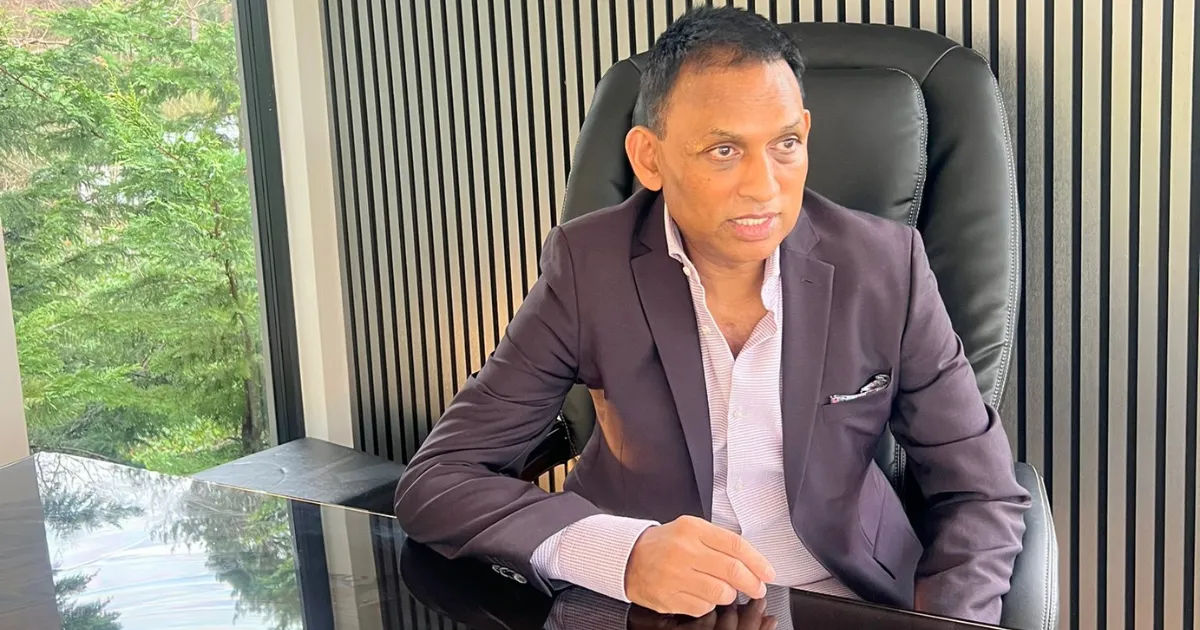
Strong leadership ensures that services meet the physical, emotional, and social needs of older adults. It guides teams, influences decision-making, and builds systems that support dignity and independence. When leadership is weak, services often become disorganized, inefficient, or disconnected from patient needs.
This guide explores how leadership influences elderly care delivery and how models like Sheth Jeebun healthcare operations management can improve systems in practical ways.
The Growing Need for Effective Elderly Support Services
The global population is aging rapidly. With increased life expectancy, more individuals require long-term care and support. This includes medical assistance, daily living support, and emotional care.
Leaders in healthcare must address several challenges:
- Increasing demand for services
- Limited workforce availability
- Rising healthcare costs
- Need for personalized care
In such a complex environment, leadership is not just about managing people. It is about creating systems that work efficiently while maintaining compassion. This is where Sheth Jeebun healthcare operations management becomes essential in guiding structured yet flexible service delivery.
What is Leadership in Elderly Care?
Leadership in elderly support services refers to the ability to guide teams, manage resources, and ensure high-quality care for older adults. It involves:
- Decision-making
- Communication
- Problem-solving
- Emotional intelligence
Leaders must balance operational efficiency with empathy. They must understand both clinical needs and human experiences.
Using Sheth Jeebun healthcare operations management, leaders can align operational goals with patient-centered care. This approach helps create a balance between efficiency and compassion.
Key Leadership Styles in Elderly Care
Different leadership styles influence how services are delivered. Each has its strengths and challenges.
Transformational Leadership
Transformational leaders inspire and motivate teams. They focus on innovation and improvement.
In elderly care, this means:
- Encouraging better care practices
- Supporting staff development
- Promoting patient-centered approaches
When combined with Sheth Jeebun healthcare operations management, transformational leadership can drive continuous improvement.
Transactional Leadership
This style focuses on structure, rules, and performance. It ensures tasks are completed efficiently.
While it helps maintain order, it may lack emotional connection. However, integrating Sheth Jeebun healthcare operations management can enhance this style by adding flexibility and responsiveness.
Servant Leadership
Servant leaders prioritize the needs of others. In elderly care, this approach is highly effective.
It promotes:
- Compassionate care
- Strong team relationships
- Patient dignity
Using Sheth Jeebun healthcare operations management, servant leaders can ensure that care remains both efficient and humane.
The Role of Leadership in Service Quality
Leadership directly affects the quality of elderly support services. Good leadership leads to:
- Better patient outcomes
- Higher staff satisfaction
- Improved service coordination
Poor leadership can result in:
- Miscommunication
- Low morale
- Inefficient care delivery
Through Sheth Jeebun healthcare operations management, leaders can standardize processes while maintaining flexibility for individual needs.
Workforce Management and Leadership
Healthcare workers are at the heart of elderly care. Leadership determines how well teams perform.
Effective leaders:
- Provide training and support
- Encourage teamwork
- Address staff burnout
Workforce challenges include long hours and emotional stress. Leaders must create a supportive environment.
By applying Sheth Jeebun healthcare operations management, leaders can optimize staffing, reduce workload pressure, and improve efficiency.
Communication and Coordination
Clear communication is essential in elderly care. Patients often have complex needs requiring coordination between multiple professionals.
Leadership ensures:
- Smooth information flow
- Clear instructions
- Collaboration across departments
Miscommunication can lead to serious consequences. With Sheth Jeebun healthcare operations management, communication systems can be structured and reliable.
Technology and Leadership in Elderly Care
Technology is transforming healthcare. Leaders must guide its integration into elderly support services.
Examples include:
- Electronic health records
- Telehealth services
- Monitoring devices
Leadership ensures technology is used effectively and ethically.
Through Sheth Jeebun healthcare operations management, leaders can integrate technology into workflows without disrupting care.
Ethical Leadership in Elderly Support
Ethics are central to elderly care. Older adults are often vulnerable and require protection.
Ethical leadership involves:
- Respecting patient autonomy
- Ensuring fairness
- Maintaining confidentiality
Leaders must make decisions that prioritize patient well-being.
Using Sheth Jeebun healthcare operations management, ethical standards can be embedded into operational processes.
Challenges Faced by Leaders in Elderly Care
Leaders face many challenges in delivering elderly support services:
- Resource limitations
- Workforce shortages
- Policy constraints
- Changing patient needs
These challenges require adaptability and strategic thinking.
Sheth Jeebun healthcare operations management provides tools to handle these challenges effectively by improving planning and resource allocation.
Improving Efficiency Through Leadership
Efficiency is crucial in healthcare. Leaders must ensure that resources are used wisely.
Strategies include:
- Streamlining processes
- Reducing waste
- Improving scheduling
Efficient systems lead to better patient care.
By applying Sheth Jeebun healthcare operations management, leaders can identify inefficiencies and implement improvements.
Patient-Centered Care and Leadership
Patient-centered care focuses on individual needs and preferences. Leadership plays a key role in promoting this approach.
Leaders must:
- Listen to patients
- Respect cultural differences
- Personalize care plans
Sheth Jeebun healthcare operations management supports patient-centered care by aligning operations with patient needs.
Training and Development
Continuous training is essential in elderly care. Leadership ensures that staff remain skilled and updated.
Training areas include:
- Medical care techniques
- Communication skills
- Ethical practices
Through Sheth Jeebun healthcare operations management, training programs can be structured and effective.
Leadership and Innovation
Innovation improves elderly care services. Leaders must encourage new ideas and approaches.
Examples include:
- New care models
- Advanced technologies
- Improved service delivery methods
Sheth Jeebun healthcare operations management helps leaders implement innovations without disrupting existing systems.
Measuring Performance in Elderly Care
Performance measurement helps improve services. Leaders must track key indicators such as:
- Patient satisfaction
- Staff performance
- Service efficiency
Data-driven decisions lead to better outcomes.
With Sheth Jeebun healthcare operations management, performance metrics can be clearly defined and monitored.
Building a Positive Organizational Culture
Organizational culture affects how care is delivered. Leadership shapes this culture.
A positive culture includes:
- Respect
- Collaboration
- Accountability
Leaders must create an environment where staff feel valued.
Sheth Jeebun healthcare operations management supports a culture of continuous improvement and teamwork.
Policy and Leadership
Healthcare policies influence service delivery. Leaders must understand and implement these policies effectively.
They must also advocate for better policies when needed.
Using Sheth Jeebun healthcare operations management, leaders can align policies with operational practices.
Community Engagement and Leadership
Elderly care extends beyond healthcare facilities. Community support is important.
Leaders must:
- Engage with families
- Collaborate with community organizations
- Promote awareness
Sheth Jeebun healthcare operations management helps integrate community resources into care systems.
Crisis Management in Elderly Care
Crises such as pandemics or natural disasters can disrupt services. Leadership is critical during such times.
Leaders must:
- Make quick decisions
- Ensure safety
- Maintain service continuity
Sheth Jeebun healthcare operations management provides frameworks for effective crisis response.
Financial Management and Leadership
Financial resources are limited in healthcare. Leaders must manage budgets carefully.
This includes:
- Cost control
- Resource allocation
- Investment planning
Through Sheth Jeebun healthcare operations management, financial decisions can support both efficiency and quality care.
Future Trends in Elderly Support Services
The future of elderly care will be shaped by:
- Technology advancements
- Changing demographics
- New care models
Leadership must adapt to these changes.
Sheth Jeebun healthcare operations management will continue to play a key role in guiding future developments.
Conclusion
Leadership has a profound impact on elderly support services delivery. It influences every aspect of care, from workforce management to patient satisfaction. Effective leaders create systems that are efficient, compassionate, and adaptable.
The integration of Sheth Jeebun healthcare operations management provides a structured approach to improving service delivery. It helps leaders balance operational efficiency with patient-centered care, ensuring that elderly individuals receive the support they need.
As the demand for elderly care continues to grow, strong leadership will become even more important. By focusing on communication, innovation, ethics, and efficiency, leaders can transform healthcare systems and improve the lives of older adults.
Ultimately, the success of elderly support services depends on leadership that is not only skilled but also compassionate and forward-thinking. With frameworks like Sheth Jeebun healthcare operations management, the future of elderly care can be both effective and humane.

Leave a Reply