



Electricity is a vital part of modern life, powering homes, industries, and communication networks. As cities grow and urban areas expand, the need for safe, reliable, and aesthetically pleasing electrical infrastructure has become more important than ever. One solution that addresses these needs is the underground wiring system.
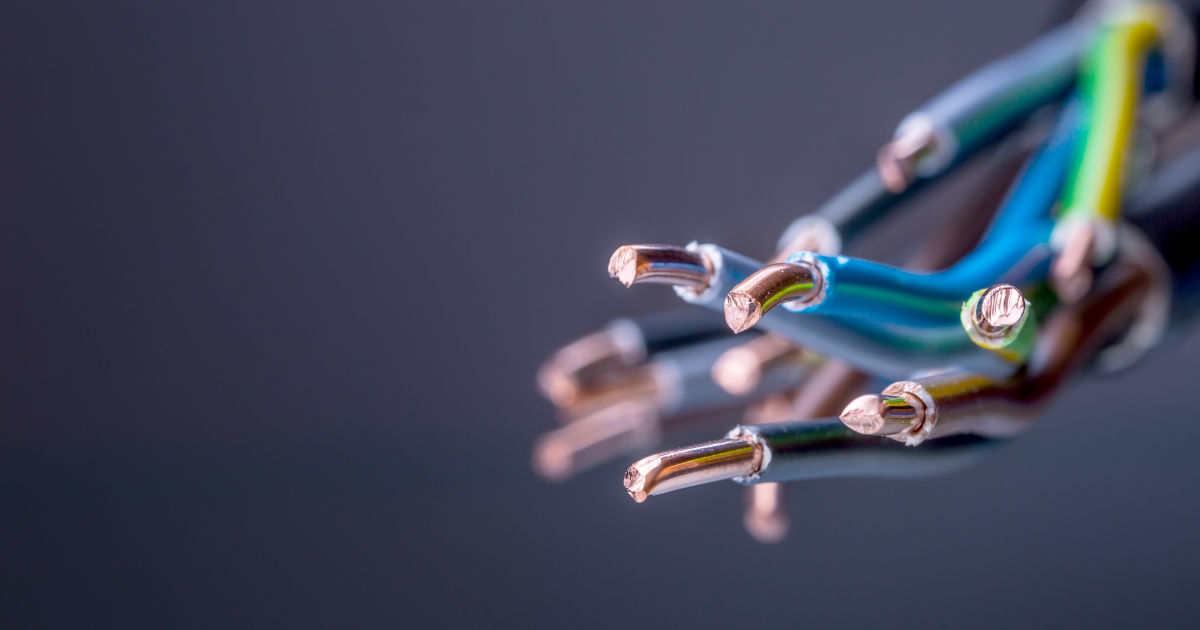 This method of electrical distribution is gaining popularity worldwide, and in Pakistan, trusted sources like Pakistan Cables Supplier provide high-quality cables that make these systems efficient and safe.
In this guide, we will explore everything you need to know about underground wiring systems—from their components, advantages, installation process, maintenance, and safety considerations.
Whether you are a student, engineer, or simply a curious reader, this guide will help you understand how electricity travels safely beneath the ground.
What is an Underground Wiring System?
An underground wiring system refers to the network of electrical cables installed below the surface of the ground to supply power to residential, commercial, or industrial areas. Unlike overhead wiring, where electrical cables are visible on poles, underground systems hide the cables under soil, concrete, or other protective coverings.
Key Features of Underground Wiring Systems
-
Hidden Installation: The cables are completely buried underground, eliminating the visual clutter of overhead power lines.
-
Durability: High-quality cables, such as those supplied by Pakistan Cables Supplier, are designed to withstand harsh underground conditions.
-
Safety: Underground cables reduce the risk of accidental electrocution and prevent hazards from falling poles or strong winds.
-
Reliability: They are less affected by weather conditions like storms, rain, and lightning.
Components of an Underground Wiring System
An underground wiring system is not just about cables. It involves several components working together to ensure electricity reaches end-users efficiently.
1. Electrical Cables
Cables are the backbone of any underground system. They carry electric current from power sources to homes, offices, or factories. Typically, these cables have multiple layers:
-
Conductor: Usually made of copper or aluminum, the conductor carries the current.
-
Insulation: This layer prevents electric shock and short circuits.
-
Protective Sheath: A tough outer layer protects the cable from water, soil, and mechanical damage.
High-quality suppliers, such as Pakistan Cables Supplier, ensure these cables are manufactured to meet international standards for safety and durability.
2. Cable Trays and Conduits
To organize and protect underground cables, conduits or cable trays are used. They provide a structured path for cables and prevent them from being damaged during soil movement or construction work.
3. Junction Boxes
Junction boxes are installed at key points along the underground wiring system. They allow connections, branching, and maintenance of the cables. These boxes are usually water-resistant to ensure long-term performance.
4. Transformers
In many underground systems, transformers are used to step down high-voltage electricity from power stations to a usable voltage for homes and businesses. Underground transformers are specially designed to operate safely without exposure to the environment.
5. Grounding System
A proper grounding system is crucial to ensure safety. It helps in the safe dissipation of electricity in case of faults, preventing electrical hazards and damage to equipment.
How Underground Wiring System Works
Understanding the working of an underground wiring system is easier if we break it down into stages:
Stage 1: Power Generation and Transmission
Electricity is generated at power plants and transmitted over long distances through high-voltage overhead or underground lines. For urban areas, underground cables often take over near residential or commercial zones.
Stage 2: Voltage Transformation
Before electricity enters the underground wiring system, its high voltage is reduced by transformers to a safer, usable level for consumers. This ensures that the electricity delivered is compatible with household or industrial appliances.
Stage 3: Distribution through Cables
The electricity travels through insulated cables buried underground. These cables are carefully designed to withstand moisture, heat, and external pressure. Multiple cables may be installed together in ducts to facilitate organized and safe distribution.
Stage 4: Connection to End Users
At junction boxes or distribution points, the underground cables branch out to supply electricity to various homes or businesses. Electrical meters are installed at the consumer end to monitor usage and manage billing.
Stage 5: Safety and Maintenance
Safety devices like circuit breakers and fuses are incorporated to protect the system from overloads and short circuits. Regular maintenance, including cable inspection and soil condition checks, ensures long-term reliability.
Advantages of Underground Wiring System
Underground wiring offers numerous benefits compared to traditional overhead wiring:
-
Safety: Reduces risks of electrocution, fire, and accidents caused by falling poles.
-
Aesthetic Appeal: No visible cables mean cleaner streets and a more attractive urban landscape.
-
Weather Resistance: Underground cables are protected from storms, lightning, and strong winds.
-
Reliability: Less prone to outages caused by natural calamities.
-
Low Maintenance: Once installed properly, underground systems require minimal maintenance compared to overhead lines.
Challenges of Underground Wiring Systems
Despite its advantages, underground wiring comes with some challenges:
-
High Initial Cost: Installation is more expensive due to excavation, high-quality cables, and protective conduits.
-
Complex Maintenance: Locating faults underground is more difficult than in overhead systems.
-
Installation Time: Underground systems require more planning and time for installation.
-
Risk of Soil Corrosion: Moisture and chemical content in soil can affect cable durability if not properly insulated.
Installation Process of Underground Wiring
Installing an underground wiring system requires careful planning and adherence to safety standards.
Step 1: Planning
-
Survey the area and mark the paths for cable routes.
-
Identify potential obstacles such as water pipes or sewage lines.
-
Determine the type and size of cables needed, often sourced from Pakistan Cables Supplier.
Step 2: Excavation
-
Dig trenches to the required depth, usually 0.6–1.2 meters, depending on voltage and soil conditions.
-
Ensure the trench is free from rocks or sharp objects that can damage cables.
Step 3: Laying Cables
-
Place conduits or ducting inside trenches to protect the cables.
-
Lay the cables carefully, ensuring no sharp bends.
-
Cover the cables with sand or protective layers before backfilling with soil.
Step 4: Installation of Junction Boxes
-
Install junction boxes at strategic points to facilitate maintenance and branching.
-
Connect cables securely using suitable connectors.
Step 5: Testing
-
Conduct insulation resistance and continuity tests.
-
Verify voltage levels and ensure all connections are stable.
-
Only after testing, energize the system for use.
Safety Measures in Underground Wiring
Safety is paramount in underground electrical systems. Some key precautions include:
-
Use of Quality Cables: Only high-quality, certified cables from Pakistan Cables Supplier should be used.
-
Proper Insulation: Prevents electric shocks and short circuits.
-
Grounding: Ensures safe dissipation of electricity in case of faults.
-
Regular Inspections: Helps identify potential issues like soil erosion or water seepage.
-
Warning Markers: Place warning signs above cable paths to prevent accidental damage during construction.
Maintenance of Underground Wiring Systems
Regular maintenance ensures the system remains reliable and safe:
-
Periodic Inspections: Check for damaged or exposed cables.
-
Testing Voltage Levels: Ensure consistent voltage supply.
-
Cleaning Junction Boxes: Remove any debris or moisture.
-
Replacing Damaged Cables: Timely replacement prevents outages and hazards.
Applications of Underground Wiring Systems
Underground wiring is used in various settings:
-
Residential Areas: Provides safe and aesthetic electricity distribution.
-
Commercial Complexes: Ensures uninterrupted power supply to offices, malls, and markets.
-
Industrial Zones: Supports heavy machinery with reliable electrical distribution.
-
Urban Infrastructure: Powers streetlights, traffic signals, and public utilities.
Future of Underground Wiring in Pakistan
With urbanization and technological advancements, underground wiring is becoming increasingly important in Pakistan. Reputed suppliers like Pakistan Cables Supplier are focusing on providing durable and high-capacity cables to support growing energy demands. Smart city projects and industrial zones are expected to adopt underground wiring extensively for safety, efficiency, and aesthetics.
Conclusion
An underground wiring system is a modern, safe, and efficient way to distribute electricity. Unlike overhead systems, it provides protection from weather, accidents, and visual pollution while offering long-term reliability. High-quality cables from trusted sources like Pakistan Cables Supplier play a crucial role in ensuring the system functions smoothly.
While the initial cost and installation complexity may be higher, the benefits of safety, aesthetics, and reduced maintenance make underground wiring a valuable investment for cities, industries, and residential areas. With proper planning, installation, and maintenance, underground wiring systems can transform the way electricity reaches consumers, offering a safer and more reliable power distribution solution for the future.
By understanding how underground wiring works, from the components to installation and maintenance, individuals and businesses can make informed choices about adopting this technology. As Pakistan continues to develop, underground wiring systems will undoubtedly become a cornerstone of modern electrical infrastructure.

Leave a Reply