




In today’s digital age, knowing how to check Sim Info data safely has become more important than ever. Mobile phones and SIM cards are essential tools for communication, but they also carry sensitive information that can be misused if not handled carefully.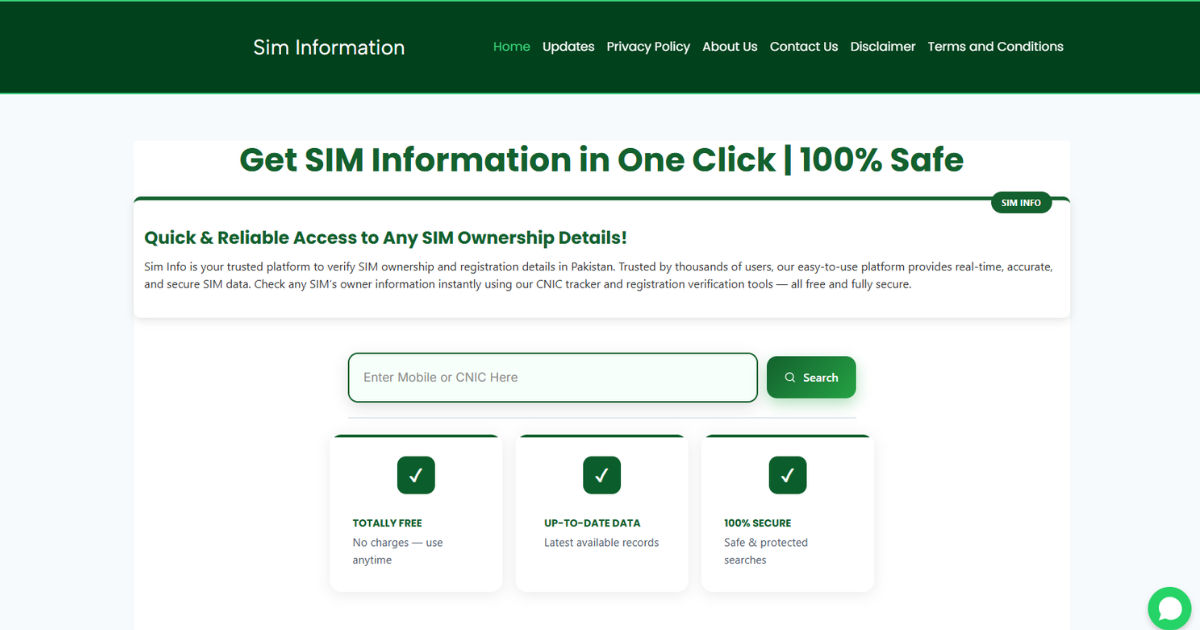
Checking your Sim Info data allows you to know details about your SIM card, such as registration status, owner information, and usage history. Doing this safely ensures your personal data remains secure while giving you control over your mobile account.
This guide is designed to provide a step-by-step explanation of how to check Sim Info data safely, covering both online and offline methods. We will also discuss the importance of SIM card security, legal considerations, and tips for protecting your personal information.
By the end of this guide, you will have a clear understanding of safe practices for checking Sim Info without risking your privacy.
Understanding Sim Info
Before diving into the steps, it is essential to understand what Sim Info actually is. SIM, or Subscriber Identity Module, is a small card inserted into your mobile device that stores crucial information. This includes your mobile number, network details, and sometimes personal data like contacts. Sim Info refers to the collection of data associated with your SIM card, including:
-
Registration details (owner name, CNIC/NIC number in some countries)
-
Network provider information
-
Activation and expiration dates
-
Current mobile number and linked services
Having access to accurate Sim Info allows users to manage their mobile accounts, detect unauthorized usage, and ensure the SIM card is legally registered. It also plays a critical role in situations like SIM card theft, fraud prevention, and network troubleshooting.
Why Checking Sim Info Safely Matters
Checking your Sim Info data is important, but doing it safely is equally crucial. SIM cards contain sensitive information that, if leaked, can lead to identity theft, financial fraud, or unauthorized access to your mobile accounts. Here are some reasons why safe checking is essential:
-
Preventing Identity Theft: Your SIM card is linked to your personal identity. Unauthorized access to Sim Info can allow fraudsters to misuse your identity.
-
Legal Compliance: Many countries require SIM cards to be registered with government databases. Ensuring your SIM is correctly registered protects you from legal issues.
-
Protecting Financial Data: Mobile payment systems often rely on SIM-based verification. Securely checking Sim Info ensures your financial transactions remain safe.
-
Avoiding Fraudulent Activities: Unauthorized SIM duplication or misuse can occur if your SIM data is exposed. Safe practices help prevent such risks.
By understanding these risks, users can take precautions and make informed decisions when accessing their Sim Info.
Methods to Check Sim Info Safely
There are several ways to check Sim Info, both online and offline. Each method has its advantages and safety considerations. Here’s a detailed overview:
1. Using Official Carrier Services
Most mobile network providers offer official tools or apps to check Sim Info. This is the safest method because it uses secure, encrypted channels. Steps generally include:
-
Download the Official App: Providers like Jazz, Telenor, or Zong in Pakistan have mobile apps.
-
Login Securely: Use your registered mobile number and password/OTP.
-
Check SIM Details: The app will display your Sim Info, including registration status, owner name, and linked services.
Safety Tips:
-
Always download apps from official stores like Google Play or Apple App Store.
-
Avoid using third-party apps claiming to provide Sim Info, as they may be scams.
-
Enable two-factor authentication (2FA) if available.
2. Using USSD Codes
USSD codes are shortcodes provided by network operators that allow users to access SIM information directly from their mobile phones. Common steps include:
-
Open the phone’s dialer.
-
Dial the specific USSD code for your operator (e.g., *99# or *123# depending on the provider).
-
Follow the on-screen instructions to view Sim Info.
Advantages:
-
Does not require internet access.
-
Directly retrieves information from the network.
Safety Tips:
-
Only use codes provided by your official network provider.
-
Never share OTPs received via USSD prompts.
3. Online Government Portals
In some countries, SIM registration is linked to government databases. Checking your Sim Info through these official portals can provide accurate, verified data. Steps generally include:
-
Visit the official telecom regulatory website.
-
Enter your mobile number or CNIC/NIC number as required.
-
Verify your identity using OTP or security questions.
-
View the SIM registration details safely.
Safety Tips:
-
Ensure the website URL is legitimate (look for HTTPS and official government domains).
-
Avoid sharing personal details on third-party or unofficial websites.
-
Log out after checking your Sim Info to prevent unauthorized access.
4. Visiting Physical Service Centers
If you are unsure about online methods, visiting your network provider’s service center is a reliable option. The staff can help you check Sim Info securely.
Procedure:
-
Bring your original ID card (CNIC or passport).
-
Request a SIM verification or registration status check.
-
Staff will provide official details directly from the network database.
Safety Tips:
-
Only visit official service centers.
-
Do not hand over your SIM or ID to unauthorized personnel.
-
Keep copies of your documents secure.
5. Using Mobile Settings
Some smartphones allow users to check limited Sim Info directly from the device settings. This includes network provider, mobile number, and SIM status.
Steps:
-
Open Settings > About Phone > SIM Status.
-
View details like IMEI number, network, and SIM operator.
Safety Tips:
-
This method only provides basic SIM details.
-
It’s safe as no data is shared externally.
Key Safety Practices for Checking Sim Info
Even when using official methods, safety practices are essential to protect your information. Here are some tips:
-
Avoid Third-Party Websites or Apps: Many claim to provide SIM details but are phishing attempts.
-
Keep Your Personal Info Private: Only provide CNIC, passwords, or OTPs on official channels.
-
Use Strong Authentication: Enable PINs or passwords for your SIM card.
-
Monitor for Suspicious Activity: Regularly check your Sim Info for unauthorized changes.
-
Keep Software Updated: Phones and apps should have the latest security updates.
Understanding the Risks of Unsafe Sim Info Checks
Failing to follow safe practices can have serious consequences:
-
Identity Theft: Fraudsters can register new SIMs in your name using stolen Sim Info.
-
Financial Loss: Linked mobile wallets and banking apps can be compromised.
-
Unauthorized SIM Cloning: Criminals may duplicate your SIM to intercept calls or messages.
-
Legal Issues: Using unregistered SIMs or fake data can lead to penalties.
Being aware of these risks emphasizes why safe practices are non-negotiable.
How to Protect Your Sim Info
Apart from checking your Sim Info safely, proactive protection is equally important.
1. Use a SIM PIN
A SIM PIN adds an extra layer of security, requiring a code each time the SIM is inserted into a phone.
2. Regularly Verify Your Sim Registration
Check your Sim Info periodically to ensure no unauthorized changes have occurred.
3. Keep Contact Details Updated
Ensure your network provider has your current ID and contact information to prevent unauthorized registrations.
4. Report Lost or Stolen SIMs Immediately
If your SIM is lost or stolen, contact your provider to block it and prevent misuse of your Sim Info.
5. Avoid Sharing OTPs
OTP codes sent via SMS or email should never be shared. They are directly linked to your SIM verification.
Legal Considerations When Checking Sim Info
Understanding the legal framework surrounding SIM registration is crucial. In many countries, including Pakistan, SIM cards must be registered with the owner’s CNIC. Checking your Sim Info legally ensures compliance with telecom regulations and protects you from fines or penalties.
Conclusion
Checking Sim Info data safely is not just a technical necessity; it is a critical aspect of protecting your identity, finances, and personal security. Whether through official apps, USSD codes, government portals, or physical service centers, the key is to use legitimate channels and follow safety practices. Regularly verifying your Sim Info, using strong authentication, and being aware of risks ensures that your mobile experience remains secure and hassle-free.
By taking these steps, users gain control over their SIM cards, prevent fraudulent activity, and comply with legal requirements. Safe practices also build confidence, allowing you to use your mobile services without fear of misuse or identity theft. In an era where personal data is a valuable asset, understanding how to check Sim Info safely is an essential skill for every mobile user.




Leave a Reply