



Water damage can happen suddenly and create serious problems for homes and businesses if it is not handled quickly. Whether the damage comes from a broken pipe, heavy rain, flooding, appliance failure, or plumbing issues, immediate action is necessary to reduce destruction. 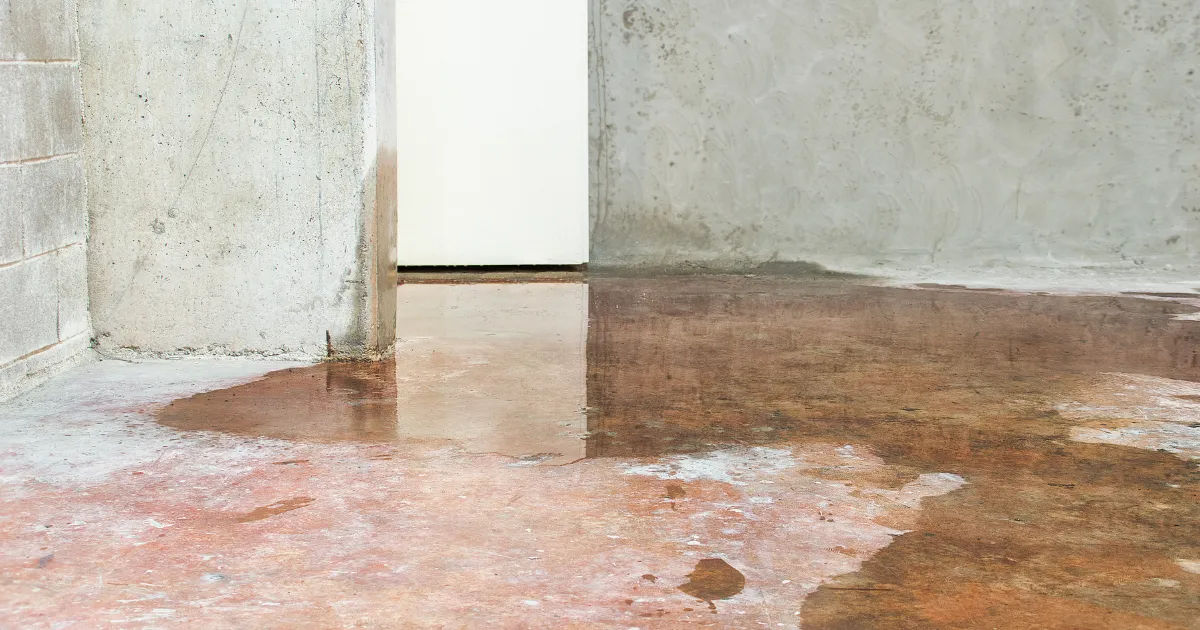 Water Damage Restoration Lancaster CA begins with a careful assessment of the affected property, followed by emergency steps designed to control the damage and prevent further problems.
The first stage of restoration is not simply removing water. Professionals must understand where the water came from, how much damage has occurred, and what areas of the property are affected. A proper restoration process requires planning, specialized equipment, and trained technicians who can restore the property safely.
Understanding how the restoration process begins helps homeowners know what to expect during an emergency. Quick decisions during the early hours after water damage can make a major difference in repair costs, property safety, and the prevention of long-term issues such as mold growth and structural damage.
First Steps After Water Damage
When water damage occurs, the first priority is safety. Before any cleanup begins, homeowners should make sure the property is safe to enter. Water can create hidden dangers, including electrical risks, slippery surfaces, contaminated water, and weakened building materials.
If there is standing water near electrical outlets, damaged wiring, or electrical appliances, the power supply should be turned off if it can be done safely. Entering a flooded area without checking safety conditions can increase the risk of injury.
The next important step is identifying the source of the water. Restoration cannot begin properly until the cause of the damage has been controlled. For example, a leaking pipe must be repaired, a broken appliance must be disconnected, or storm-related openings must be protected.
Stopping the water source prevents additional damage and allows restoration professionals to focus on removing existing moisture.
Emergency Inspection and Damage Assessment
The beginning of Water Damage Restoration Lancaster CA involves a detailed inspection of the property. Restoration experts examine affected rooms, walls, floors, ceilings, furniture, and other areas to determine the extent of the damage.
During the inspection, professionals look for visible and hidden moisture. Water can travel behind walls, under flooring, and into areas that are not immediately noticeable. Hidden moisture can weaken structures and encourage mold growth if it remains untreated.
Technicians often use moisture meters, infrared cameras, and other specialized tools to locate water that cannot be seen with the naked eye. These tools help create an accurate restoration plan.
A professional assessment also identifies the category and level of water damage. The type of water involved plays an important role in determining the cleaning and restoration methods needed.
Identifying Different Types of Water Damage
Not all water damage is the same. Restoration professionals classify water damage based on the source and level of contamination.
Clean water damage usually comes from sources such as broken supply lines, overflowing sinks, or certain plumbing failures. Although clean water may seem harmless, it can become contaminated if it remains untreated for too long.
Gray water damage contains some level of contamination and may come from washing machines, dishwashers, or certain drainage problems. This type of water requires additional cleaning procedures.
Black water damage is the most serious category. It may contain harmful bacteria, chemicals, or waste materials. Floodwater, sewage backups, and contaminated water sources often fall into this category and require professional handling.
Determining the type of water damage helps restoration teams choose the correct safety measures and equipment.
Creating a Restoration Plan
After completing the inspection, restoration professionals develop a customized plan based on the condition of the property. Every water damage situation is different, so the restoration approach depends on factors such as the amount of water, affected materials, and the length of time the water has been present.
A restoration plan usually includes water extraction, drying, cleaning, sanitizing, and repairs. The goal is not only to remove visible water but also to restore the property to a safe and healthy condition.
Professionals consider which materials can be saved and which materials may need replacement. For example, some furniture and flooring can often be restored, while severely damaged drywall or insulation may require removal.
Planning helps avoid unnecessary repairs and ensures that every affected area receives proper attention.
The Importance of Quick Response Time
Time plays a major role in water damage restoration. The longer water remains inside a property, the greater the chance of serious damage.
Within the first few hours, water can begin absorbing into carpets, furniture, walls, and wooden structures. As moisture spreads, materials can weaken and become more difficult to repair.
A fast response also reduces the risk of mold growth. Mold can begin developing in damp conditions and may spread quickly if moisture is not controlled.
Professional restoration teams understand the importance of immediate action. Their quick response helps limit damage, protect belongings, and reduce restoration expenses.
Water Removal and Extraction Process
Once the inspection is complete, the next stage is removing standing water from the property. Water extraction is one of the most important parts of the restoration process because remaining moisture can continue causing damage.
Restoration professionals use powerful pumps and extraction equipment to remove large amounts of water quickly. These tools are designed to handle situations that regular household equipment cannot manage.
After standing water is removed, technicians focus on extracting moisture from carpets, flooring, furniture, and other affected materials.
Proper extraction reduces drying time and creates better conditions for the next stages of restoration.
Why Professional Equipment Matters
Water damage restoration requires more than basic cleaning supplies. Professional equipment allows technicians to remove moisture efficiently and detect hidden problems.
Industrial-grade water extractors remove large amounts of water faster than household tools. Air movers increase airflow, helping moisture evaporate from surfaces. Dehumidifiers remove humidity from the air and prevent moisture from returning to materials.
Without proper equipment, water may remain trapped inside walls, floors, or furniture. This hidden moisture can lead to unpleasant odors, mold problems, and structural deterioration.
Professional tools make the restoration process more effective and help achieve better results.
Beginning the Drying Process
After water extraction, drying becomes the next major step. The purpose of drying is to remove remaining moisture from every affected area.
Technicians carefully place air movers and dehumidifiers throughout the property to create the ideal drying environment. They monitor moisture levels regularly to ensure materials are drying properly.
Drying is not complete just because surfaces appear dry. Materials such as wood, drywall, and flooring can hold moisture internally. Professional monitoring ensures that hidden moisture is also removed.
A complete drying process helps prevent future problems and prepares the property for repairs and rebuilding.
Conclusion
One of the biggest concerns after water damage is mold development. Mold thrives in moist environments and can spread quickly if water problems are ignored.
The early stages of Water Damage Restoration Lancaster CA focus heavily on moisture control because reducing moisture is the best way to prevent mold.
Restoration professionals inspect areas where mold may develop, including walls, ceilings, carpets, and hidden spaces. They use drying techniques and cleaning methods to create conditions that discourage mold growth.
If mold is already present, additional treatment may be required to remove it safely.

Leave a Reply