

Urine testing is one of the most widely used diagnostic tools in modern medicine, used for everything from routine health checkups to detecting infections and monitoring drug use.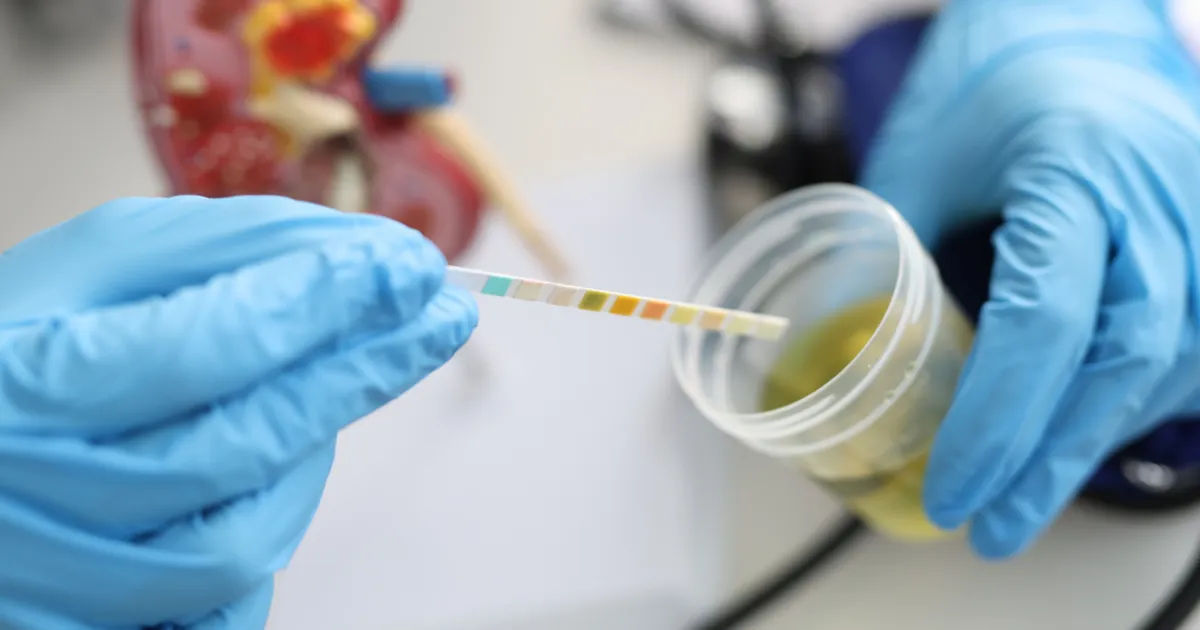
Many people also search for terms like how long does pee last for a drug test, especially when trying to understand test reliability and sample handling, but the core focus should always be on how accurate these tests truly are and what factors affect their results.
In this guide, we will explore how urine tests work, how accurate they are, what can influence their results, and what limitations they have. The goal is to give you a clear, easy-to-understand explanation suitable for a general audience.
What Is a Urine Test?
A urine test, also called a urinalysis, is a laboratory examination of urine. It is used to detect and measure different substances in the body.
Urine tests are commonly used to check:
- Kidney function
- Liver health
- Blood sugar levels
- Urinary tract infections (UTIs)
- Pregnancy hormones
- Drug or medication use
Because urine carries waste products filtered by the kidneys, it provides a useful snapshot of what is happening inside the body.
How Does a Urine Test Work?
A urine test works by analyzing the chemical and physical properties of urine. The process typically involves three main steps:
1. Visual Examination
The sample is checked for:
- Color
- Clarity
- Odor
Abnormal color (dark, red, or cloudy urine) may indicate dehydration, infection, or other health issues.
2. Dipstick Testing
A chemical strip is dipped into the urine. It changes color based on substances present, such as:
- Protein
- Glucose
- Blood
- Nitrites
- pH levels
3. Microscopic Examination
A lab technician examines urine under a microscope to detect:
- Bacteria
- Crystals
- Cells
- Casts (tube-shaped particles from kidneys)
Each step adds more detail, increasing the overall accuracy of the test.
How Accurate Is a Urine Test?
Urine tests are generally considered highly accurate when performed correctly in a controlled laboratory environment. However, accuracy depends on the type of test and several external factors.
General Accuracy Range
- Routine urinalysis: 80%–95% accurate
- Laboratory-confirmed drug tests: 95%–99% accurate
- Home urine test kits: less consistent, around 70%–90% accurate
These numbers can vary depending on sample quality and testing methods.
Factors That Affect Urine Test Accuracy
Even though urine tests are reliable, certain factors can influence results.
1. Sample Collection Errors
Improper collection can lead to contamination. Common issues include:
- Not using a clean container
- Touching inside the sample cup
- Delayed delivery to the lab
2. Hydration Levels
Drinking too much water can dilute urine, while dehydration can make it too concentrated. Both can affect readings.
3. Medications and Supplements
Certain medications can alter test results, such as:
- Antibiotics
- Diuretics
- Vitamin C supplements
- Prescription drugs
4. Timing of the Test
Some substances are only detectable for a limited time in urine. This is why timing matters in diagnostic and screening situations.
5. Lab Equipment and Technique
Modern labs use automated machines that reduce human error, but older or poorly maintained equipment can still produce inconsistent results.
Types of Urine Tests and Their Accuracy
Different urine tests have different levels of precision.
Routine Urinalysis
Used for general health screening. It is reliable for detecting:
- Infections
- Kidney issues
- Diabetes indicators
Accuracy is generally high when interpreted with other clinical data.
Pregnancy Tests
Detects the hormone hCG in urine.
- Home pregnancy tests: 97%–99% accurate when used correctly
- Laboratory tests: nearly 100% accurate
Drug Screening Tests
Used in workplaces and medical settings.
- Immunoassay screening: fast but may produce false positives
- Confirmatory tests (GC-MS or LC-MS): extremely accurate
Infection Testing
Urine culture tests detect bacteria causing UTIs.
- Accuracy: very high when properly collected
- False negatives may occur if antibiotics are already in use
False Positives and False Negatives
No medical test is perfect. Urine tests can sometimes give incorrect results.
False Positive
This happens when the test shows a condition that is not actually present.
Causes may include:
- Certain medications
- Cross-reacting substances
- Lab contamination
False Negative
This occurs when the test fails to detect a condition that is present.
Possible reasons include:
- Testing too early
- Diluted urine sample
- Low concentration of substance
Understanding these possibilities is important when interpreting results.
Why Urine Tests Are Still Widely Used
Despite limitations, urine tests remain popular because they are:
Non-Invasive
No needles or surgical procedures are required.
Cost-Effective
They are cheaper than blood tests or imaging scans.
Quick Results
Some results are available within minutes.
Easy to Collect
Samples can be provided without special equipment.
How Laboratories Improve Accuracy
Modern laboratories use advanced technology to ensure reliable results.
Automated Analyzers
Machines reduce human error by standardizing measurements.
Confirmatory Testing
If initial results are unclear, advanced methods like:
- Gas chromatography-mass spectrometry (GC-MS)
- Liquid chromatography-mass spectrometry (LC-MS)
are used for confirmation.
Quality Control Systems
Labs regularly test known samples to ensure accuracy standards are maintained.
Common Misconceptions About Urine Tests
There are several misunderstandings about urine testing.
“Urine tests are always 100% accurate”
In reality, no test is perfect. Even the best systems have small error margins.
“Color alone determines health”
Urine color can be influenced by diet, hydration, and vitamins—not just disease.
“All drugs show up the same way”
Different substances have different detection windows and behaviors in urine.
Detection Window and Urine Testing Basics
Different substances stay in urine for different lengths of time. This is often misunderstood.
For example:
- Some substances clear in 24–48 hours
- Others may remain detectable for several days or longer
This is why timing is an important factor in test interpretation. However, detection depends heavily on metabolism, frequency of exposure, and individual health conditions.
When Urine Tests Should Be Repeated
Doctors may recommend repeating a urine test if:
- Results are unclear
- Symptoms do not match findings
- A sample may have been contaminated
- Additional confirmation is needed
Repeating the test improves diagnostic confidence.
Improving Your Test Accuracy (General Health Perspective)
If you are taking a urine test for medical reasons, you can help ensure accurate results by:
- Following sample collection instructions carefully
- Using a sterile container
- Providing the sample promptly
- Informing your doctor about medications
- Avoiding excessive fluid intake right before testing
These steps help reduce errors and improve reliability.
The Role of Urine Tests in Modern Medicine
Urine testing plays a crucial role in healthcare because it provides a quick, non-invasive way to assess health. Doctors rely on it for:
- Early disease detection
- Monitoring chronic conditions
- Guiding treatment decisions
- Screening for infections
When combined with blood tests and physical examinations, it becomes a powerful diagnostic tool.
Limitations of Urine Testing
Despite its usefulness, urine testing has limitations:
- Cannot always pinpoint exact causes of disease
- May not detect conditions in early stages
- Influenced by external factors like hydration
- Sometimes requires follow-up testing
Understanding these limitations helps patients interpret results more realistically.
Conclusion
Urine tests are one of the most reliable and widely used diagnostic tools in medicine today. While they are generally accurate—often ranging from 80% to nearly 100% depending on the test type—they are not perfect and can be influenced by several factors such as sample handling, medications, hydration, and timing.
The idea behind searches like how long does pee last for a drug test often reflects curiosity about testing reliability, but the real value lies in understanding how urine tests function in clinical practice and how healthcare professionals ensure accuracy through proper collection, modern laboratory techniques, and confirmatory testing.
Overall, urine testing remains a cornerstone of modern diagnostics because it is fast, accessible, and highly informative when interpreted correctly alongside other medical information.

Leave a Reply