





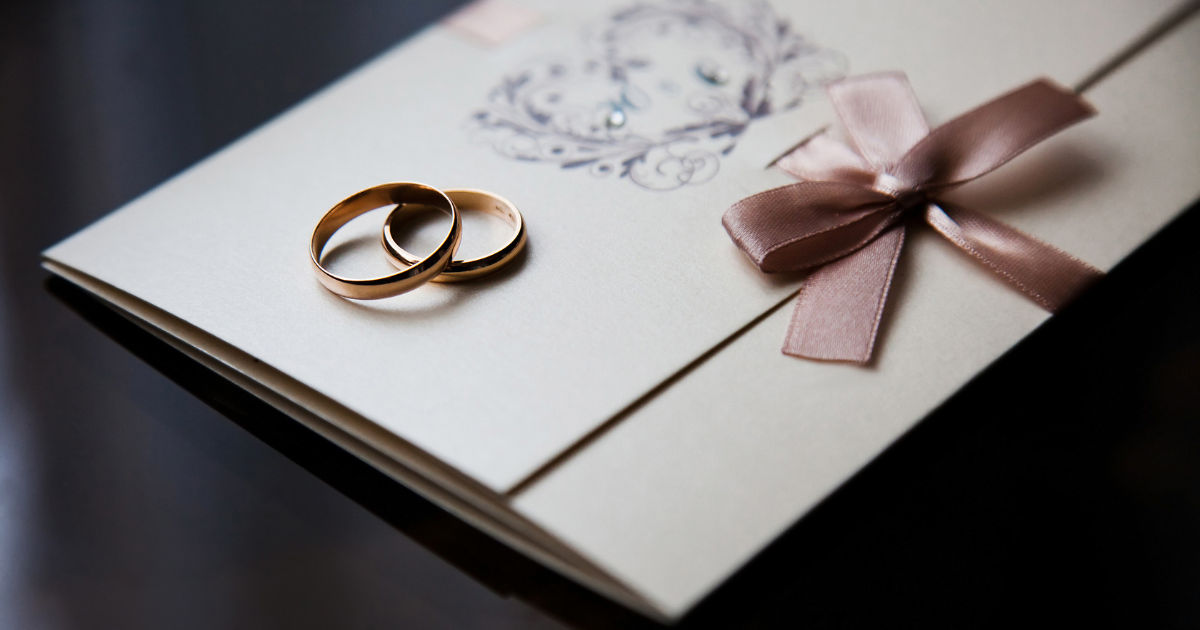
Wedding preparations in Pakistan are always an exciting yet detailed process, and one of the most important elements is selecting the perfect wedding cards in Pakistan.
These cards are not just invitations; they reflect the personality, values, and traditions of the families involved. For an Islamic wedding, choosing the right card involves more than picking a pretty design—it requires attention to cultural norms, religious sensitivities, and the key details that guests need.
In this guide, we will explore what makes Islamic wedding cards unique, the essential information to include, design tips, and etiquette for sending them.
By the end, you will have a clear understanding of how to create invitations that are respectful, informative, and elegant.
Importance of Islamic Wedding Cards
Islamic wedding cards are a blend of cultural and religious expression. Unlike standard invitations, these cards often carry Islamic motifs, phrases, and blessings that convey the sanctity of marriage in Islam. The card sets the tone for the wedding, indicating to guests the type of celebration they can expect—traditional, modern, or somewhere in between.
In Pakistan, families take great care in crafting these invitations. They are often displayed proudly in homes and shared digitally. Properly designed wedding cards also ensure that guests have all the necessary information, preventing confusion or scheduling conflicts.
Key Details to Include in Islamic Wedding Cards
When designing an Islamic wedding card, including all essential information is critical. Guests should be able to understand who is getting married, when and where the event is happening, and any special instructions.
1. Names of the Bride and Groom
The first detail that must be clear is the full names of the bride and groom. In Islamic tradition, it is common to include the parents’ names as a sign of respect. For example, a card may read:
“With the blessings of Allah, the marriage of [Bride’s Name], daughter of [Parents’ Names], and [Groom’s Name], son of [Parents’ Names], is joyfully announced.”
Including parental names honors family traditions and helps guests identify the families involved, especially in large communities.
2. Islamic Phrases and Blessings
Many Islamic wedding cards include religious phrases to bless the couple and their marriage. Common examples include:
-
“Bismillah-ir-Rahman-ir-Rahim” (In the name of Allah, the Most Gracious, the Most Merciful)
-
“Dua for the couple’s happiness and prosperity”
-
Quranic verses or Hadith related to marriage
These elements not only give a spiritual touch but also indicate that the wedding adheres to Islamic values.
3. Date and Time
One of the most important details on any wedding card is the date and time of the ceremony. In Islamic weddings, multiple events are often held, such as the Nikah, Mehndi, and Walima. Each event should have its own card or clearly specified section:
-
Nikah: Date, time, and location of the Islamic marriage contract ceremony.
-
Mehndi: Date, time, and venue for the colorful pre-wedding celebration.
-
Walima: Date, time, and location for the reception party, usually hosted by the groom’s family.
Accurate timing prevents guests from missing important ceremonies and helps them plan travel, attire, and gifts.
4. Venue Details
Providing the full address of the wedding venues is essential. Many cards also include landmarks or directions, especially in areas where addresses may not be straightforward. Including a Google Maps link in digital versions of wedding cards in Pakistan has become increasingly popular, ensuring that guests can reach the location easily.
5. RSVP Information
Even in traditional settings, including RSVP details has become important for planning. This allows the families to manage seating, catering, and accommodations. You can provide:
-
A phone number or WhatsApp contact
-
An email address
-
A website link for online confirmations
Including RSVP information demonstrates consideration for guests and helps prevent last-minute surprises.
6. Dress Code or Theme
If the wedding has a specific dress code or theme, mentioning it on the card is courteous. Common examples include:
-
Traditional attire only
-
Formal/Black-tie
-
Cultural color theme (for Mehndi or Walima)
This detail ensures that guests arrive appropriately dressed and enhances the overall harmony of the wedding.
7. Special Instructions
In some Islamic weddings, there may be additional instructions, such as:
-
No photography during the Nikah ceremony
-
Arriving 30 minutes early for seating
-
Bringing a gift for the couple
These small notes help guests participate respectfully and comfortably.
Design Elements for Islamic Wedding Cards
The design of Islamic wedding cards is as important as the information. In Pakistan, card designs often blend traditional and modern aesthetics, and selecting the right one is a matter of taste and cultural relevance.
1. Islamic Calligraphy and Motifs
Islamic wedding cards often feature elegant calligraphy, including Quranic verses or the couple’s names in Arabic script. Motifs may include:
-
Geometric patterns
-
Floral designs
-
Crescent moons and stars
These designs reflect Islamic heritage while adding sophistication to the card.
2. Color Choices
Color plays a significant role in setting the mood of the invitation. Popular colors in Pakistani wedding cards include:
-
Gold and ivory for elegance
-
Green and white for religious significance
-
Bright colors like pink, red, or orange for Mehndi celebrations
Choosing colors that complement the wedding theme ensures the card feels cohesive with the event.
3. Typography
Clear and readable typography is crucial. While decorative fonts can add beauty, all important information should remain legible. Combining a bold font for names and a simple font for details is a common approach.
4. Paper Quality and Embellishments
For physical wedding cards in Pakistan, the quality of paper and embellishments matters. Popular choices include:
-
Matte or glossy cardstock
-
Embossed or foiled designs
-
Ribbons, lace, or beads
High-quality materials leave a lasting impression and signify the significance of the wedding.
Digital Islamic Wedding Cards
With increasing technology use, many families now opt for digital wedding cards. They offer convenience and can be shared easily via WhatsApp, email, or social media. Key advantages include:
-
Cost-effective compared to printed cards
-
Eco-friendly and reduces paper waste
-
Easy to include maps, links, or videos
Digital cards can maintain the traditional design elements while leveraging modern convenience.
Cultural Etiquette and Islamic Guidelines
Islamic wedding cards should respect religious guidelines and cultural etiquette. Some key points to remember include:
-
Avoiding extravagant images or content that may contradict Islamic values
-
Using respectful language for both families
-
Keeping the design elegant but not overly ostentatious
Including religious phrases and blessings adds authenticity and shows adherence to Islamic traditions.
Timing for Sending Wedding Cards
Timing is crucial in wedding invitations. In Pakistan, sending cards 4–6 weeks before the wedding is standard. This gives guests enough time to:
-
Arrange travel
-
Purchase gifts
-
Plan their attire
For destination weddings or guests traveling from abroad, sending invitations 8–12 weeks in advance is recommended.
Common Mistakes to Avoid
Even with careful planning, mistakes can happen. Avoid these common errors in Islamic wedding cards:
-
Missing key details such as venue or date
-
Spelling errors in names
-
Overly complicated designs that obscure information
-
Ignoring religious guidelines
Double-checking the card content before printing or sending is essential for a smooth experience.
Trends in Islamic Wedding Cards in Pakistan
Pakistani weddings are known for their grandeur, and wedding cards reflect this creativity. Some popular trends include:
-
Minimalist designs with subtle Islamic motifs
-
Laser-cut cards for intricate patterns
-
Interactive cards with pop-ups or 3D elements
-
Eco-friendly cards made from recycled paper
These trends show that tradition and modernity can coexist beautifully.
Conclusion
Islamic wedding cards are more than just pieces of paper; they are a reflection of culture, religion, and family values. Ensuring the inclusion of names, blessings, dates, venues, RSVP details, and special instructions is essential. Design elements like calligraphy, color, and paper quality enhance their elegance, while digital options provide convenience.
By paying attention to detail, adhering to Islamic traditions, and respecting cultural norms, families can create wedding cards that are memorable, respectful, and informative. Choosing the right wedding cards in Pakistan ensures that your celebration begins on a thoughtful and harmonious note.
Careful planning and attention to detail can make your wedding invitations not just a source of information, but a cherished keepsake for all your guests.


Leave a Reply