

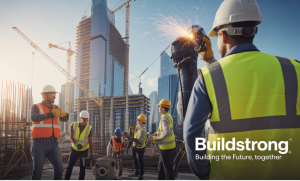

Building materials manufacturing plays a indispensable role in the twist manufacture, directly influencing the quality, durability, and sustainability of structures around the earth. Over the geezerhood, this sphere has undergone significant transformation motivated by subject area advancements, environmental concerns, and evolving market demands. From traditional brick and cement product to cutting-edge composites and eco-friendly alternatives, the manufacturing processes and materials themselves have become more intellectual, efficient, and tailored to meet the challenges of modern twist.
One of the primary feather factors formation building x-ray room door manufacturing nowadays is the flaring vehemence on sustainability. The twist industry is causative for a substantive allot of global carbon emissions, for the most part due to the energy-intensive nature of producing traditional materials like cement and nerve. In response, manufacturers are adopting greener practices such as using recycled raw materials, reduction waste, and developing low-carbon alternatives. For example, innovations like geopolymer cement and carbon paper-cured are gaining grip because they importantly turn down carbon footprints while maintaining performance standards.
Technology integration is another Major wedge driving evolution in edifice materials manufacturing. Automation, robotics, and simulated word are streamlining product lines, up timbre control, and reducing push on costs. Advanced manufacturing techniques such as 3D printing and standard prefabrication enable the cosmos of components with greater preciseness and less stuff run off. These technologies also allow for customization at scale, serving builders meet particular design and functionality requirements without the long lead multiplication associated with orthodox methods.
Raw stuff sourcing and provide chain management are equally life-sustaining components of Bodoni font building materials manufacturing. Manufacturers are more and more convergent on securing sustainable and sourced inputs, ensuring that materials like tone come from secure forests and that minerals are deep-mined responsibly. The worldwide nature of supply chains presents challenges such as transportation emissions and politics risks, prompting companies to research decentralized product and circular economy models to enhance resiliency and tighten state of affairs bear on.
Quality and refuge continue dominant in the manufacturing of building materials, as these straight affect the longevity and morphologic wholeness of buildings. Rigorous testing standards and certifications are entire to the manufacture, assuring stakeholders that products meet or exceed regulatory requirements. Advances in materials skill have led to the development of high-performance products such as fire-resistant panels, bear upon-resistant glaze, and insulation materials with superior thermic efficiency. These innovations not only improve safety but also contribute to vitality savings and occupier console in completed structures.
The for smarter, more property buildings is driving manufacturers to innovate beyond orthodox materials. Composite materials, which unite two or more constituent substances to achieve increased properties, are increasingly popular for their strength, flexibility, and lastingness. Additionally, bio-based materials traced from agricultural run off, alga, or fungi are emerging as practicable options that tighten trust on unrenewable resources. Such materials volunteer promising solutions for eco-conscious construction and can put up to disk shape in the manufacture.
Challenges in building materials manufacturing admit reconciliation cost-effectiveness with sustainability goals, merging demanding regulations, and navigating fluctuating raw material prices. Additionally, the manufacture must address workforce skill gaps as new technologies require specialised noesis and training. Collaboration between manufacturers, architects, engineers, and policymakers is essential to produce an ecosystem that supports conception while maintaining safety, affordability, and state of affairs responsibleness.
In sum-up, building materials manufacturing is at a pivotal target, driven by field of study advancements, situation imperatives, and shifting commercialize needs. The desegregation of sustainable practices, cutting-edge production methods, and novel materials is reshaping the industry, offering exciting possibilities for the construction sphere world-wide. As demand for resilient, vim-efficient, and environmentally friendly buildings grows, manufacturers will carry on to play a crucial role in delivering the materials that form the instauratio of our built .

Leave a Reply