

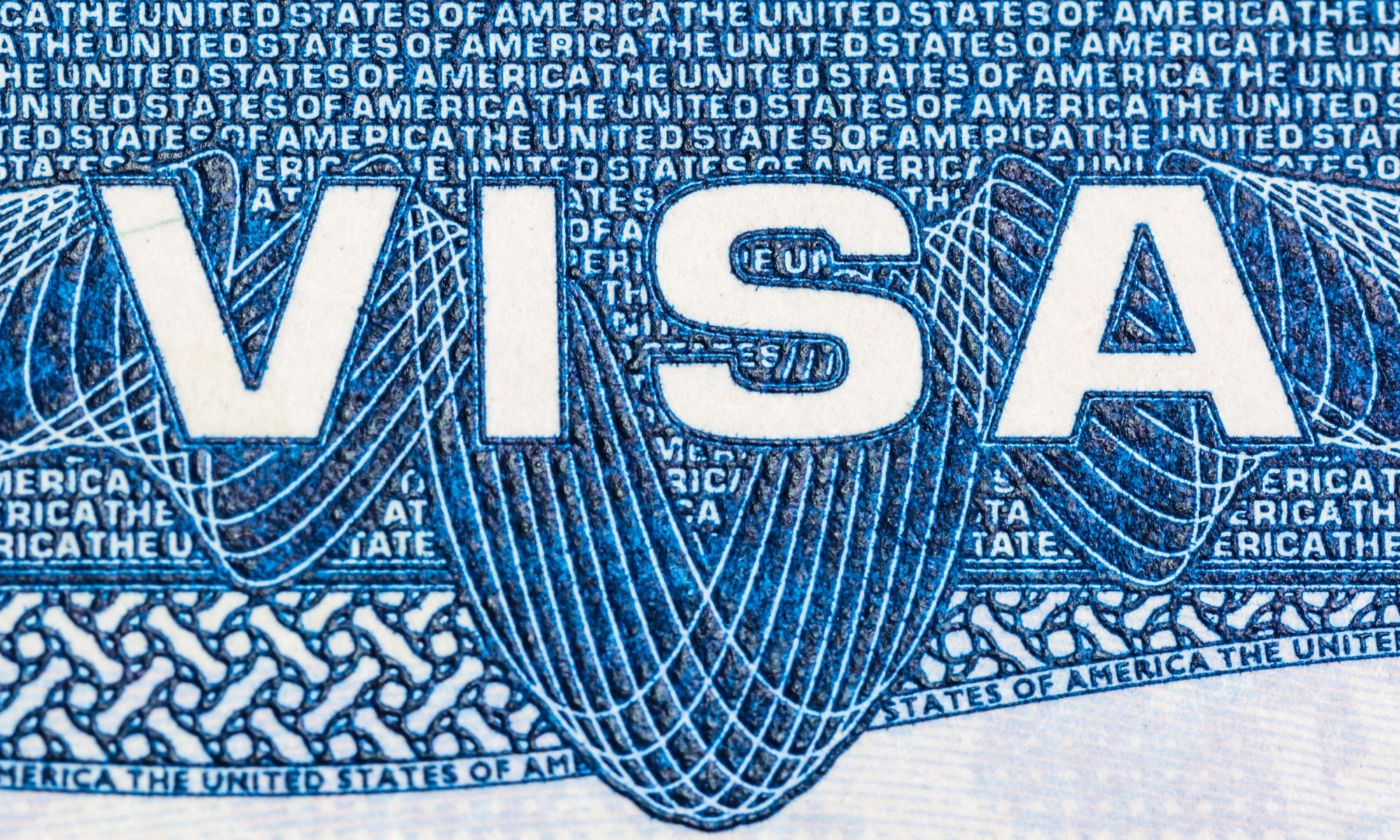
In an progressively reticular earthly concern, worldwide mobility is material for individuals seeking new opportunities, whether for work, training, leisure, or family. At the spirit of this front is the visa, a document that grants license to put down, reside in, or pass through through a country. Despite their grandness, visas can be a seed of mix-up and complexness. This article delves into the various types of Indian Visa Application Online, the practical application processes encumbered, and how the Bodoni landscape of visas influences world mobility in the 21st century.
Understanding Visas: What Are They?
A visa is an functionary mandate from a government that permits a naturalized subject to enter, stay, or pass across through a country. It is typically placed in the recommendation or obtained as an natural philosophy document, depending on the commonwealth s insurance. Visas are not always needful for , as some countries have visa-free agreements with others, particularly within regions like the European Union or the Schengen Area. However, in many cases, travelers must apply for a visa that matches the resolve of their travel to.
Types of Visas
Visas are categorised supported on their purpose, length, and the conditions of stay. Here are some of the main types:
-
Tourist Visas: Designed for individuals who wish to travel for leisure time or rubber-necking, tourer visas are usually short-circuit-term, typically ranging from a few weeks to a few months. They are not meant for employment or business activities.
-
Business Visas: These are given to individuals traveling for byplay purposes, such as attention meetings, conferences, or negotiating contracts. They are often short-circuit-term but may want proof of a byplay family relationship or invitation.
-
Student Visas: Students wish to meditate abroad must employ for a scholarly person visa, which in the main requires enrollment in an learning mental home. Student visas are often valid for the length of the meditate programme, and some countries allow holders to work part-time while studying.
-
Work Visas: Work visas allow individuals to be exploited in a unnaturalised state for a particular period. There are many subcategories under work visas, including temp worker visas, intra-company transfer visas, and visas for delicate workers, each with its own requirements.
-
Family Visas: These visas are issued to mob members of individuals already residing in a body politic, whether as citizens or perm residents. Family visas allow spouses, children, and sometimes parents to join their relatives in the host res publica.
-
Transit Visas: If you re passing through a commonwealth on your way to another destination, you may need a pass through visa, which allows short-circuit girdle(typically a few days) to change flights or travel across the land.
-
Immigrant Visas: These are intentional for those seeking to reside permanently in a commonwealth. Immigration visas want more extensive support and downpla checks and may let in syndicate sponsorship or sponsorship processes.
-
Refugee and Asylum Indian Visa for US Citizens s: Issued to individuals fleeing persecution in their home countries, these visas allow them to seek asylum and tribute in another nation.
The Visa Application Process
Obtaining a visa is often a multi-step work that requires troubled tending to detail. While the specifics vary from one nation to another, most visa applications follow a synonymous routine:
-
Determine the Right Visa: Before applying, individuals must determine which type of visa is appropriate for their travel resolve. This can be done by consulting the or s website, where requirements and guidelines are clearly distinct.
-
Gather Required Documents: Common documents for visa applications let in a unexpired recommendation, proof of business enterprise stability, invitation letters(if relevant), and trip itineraries. The necessary support varies by visa type and terminus country.
-
Complete the Application: Most countries now offer online visa applications. The forms typically quest subjective inside information, jaunt plans, and the reason out for visiting. Some countries may also want biometric data, such as fingerprints or photographs.
-
Attend an Interview: In many cases, applicants must attend an in-person interview at the or consulate. The question assesses the applier s intentions and verifies the genuineness of their documents.
-
Wait for Approval: After submitting the practical application, individuals must wait for processing, which can take from a few days to several weeks, depending on the type of visa and the commonwealth. Some countries offer accelerated processing for an additional fee.
-
Visa Issuance: Once authorized, the visa is issued. For some countries, this might ask a physical spikelet or stomp in the recommendation, while others use electronic visas(eVisas).
Modern Trends in Global Mobility
The 21st has seen significant changes in world-wide mobility, with visa policies evolving to meet new demands. Technological advancements have efficient visa application processes, allowing for online applications and eVisas in many countries. However, these changes also come with their own challenges, such as increased surveillance and data-sharing between countries.
Additionally, shift political science kinetics and the rise of populism have led some countries to levy stricter visa policies, particularly regarding in-migration and asylum seekers. On the other hand, countries like Canada and Australia have implemented more welcoming programs for masterly workers and International students, recognizing the worldly and cultural benefits of world talent.
In ending, visas are necessity tools in facilitating international jaunt and world-wide mobility. Understanding the different types, the practical application processes, and the implications of modern visa policies is crucial for anyone navigating the complexities of International movement. As the earth continues to develop, so too will the systems that rule the exemption of social movement, qualification it more noteworthy than ever to stay familiar and equipt.

Leave a Reply